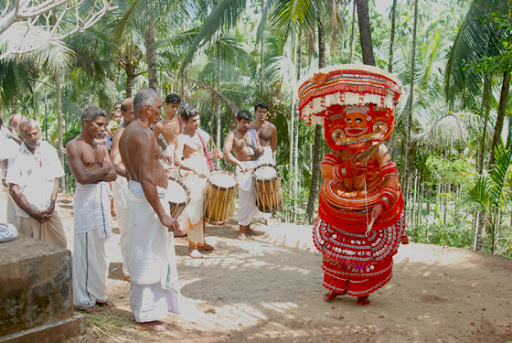
 പൂരം, മീനഭരണി എന്നൊക്കെ കേട്ടാൽ ആദ്യം ഓർമ്മയിൽ എത്തുക തൃശ്ശൂർപൂരവും കൊടുങ്ങല്ലൂർ ഭരണിയും ഒക്കെയാവും. കാരണം മലയാളികൾക്കിടയിൽ അത്രകണ്ട് പബ്ലിസിറ്റി ഈ പരിപാടികൾക്ക് വന്നുചേർന്നിട്ടുണ്ട് എന്നതുതന്നെ. എന്നാൽ വടക്കേ മലബാറിൽ നിലേശ്വരം ചെറുവത്തൂർ ഭാഗങ്ങളിൽ ഇന്നും തനിമയോടെ കൊണ്ടാടുന്ന Continue reading
folklore
ഫോക്ക്ലോർ – ഷിറ്റ് വെൽ – താങ്ക്സ് ഐ ഡിഡ്!

എം. എ. യ്ക്ക് ഫോക്ക്ലോർ പഠിച്ചപ്പോൾ കക്കൂസ് സാഹിത്യത്തെ പറ്റി പഠിക്കാനുണ്ടായിരുന്നു. കക്കൂസിന്റെ നാലു ഭിത്തികൾ നൽകുന്ന സുരക്ഷിതത്ത്വത്തിൽ ഒരുവന്റെ സർഗവാസന പുറത്തു ചാടുകയും അവൻ ഭിത്തിയിൽ എന്തെങ്കിലുമൊക്കെ കുത്തിക്കുറിക്കുകയും ചെയ്യുന്നു; ഓരോരുത്തരുടെ സംസ്ക്കാരവും ജീവിത രീതിയും ഈ എഴുത്തുകളെ നല്ല പോലെ സ്വാധീനിക്കാറുണ്ട്.
സെക്സും തെറിയുമാണ് മിക്കയിടത്തും കാണുക; അല്ലാത്തതും ഉണ്ട്. ചിലതൊക്കെ നല്ല ചിരിക്കു വക നൽകുന്നു. ട്രൈനിലെയും കോളേജുകളിലേയും കക്കൂസുകളിലും മറ്റും സർഗവാസന പൂത്തുലഞ്ഞു നിൽക്കുന്ന കവിതാശകലങ്ങളും മറ്റും കണ്ടത് ഓർമ്മയിലെത്തുന്നു. പലയിടങ്ങളിലും ലിഫ്റ്റുകളിലെ ഭിത്തികളിലും ഇത്തരം ചില പഞ്ച് ലൈനുകൾ കണ്ടിരുന്നു.
ഇത്രയും എഴുതാൻ കാരണം മറ്റൊന്നുമല്ല; ഇന്നുച്ചയ്ക്ക് ഒന്നു കക്കൂസിൽ പോയപ്പോൾ അവിടെ ഭിത്തിയിലും കണ്ടു രണ്ട് ലൈൻ: ഷിറ്റ് വെൽ – താങ്ക്സ് ഐ ഡിഡ്! എന്ന്. ഞാൻ തൂറി – നിങ്ങളും നന്നായി തൂറുക എന്ന്!! ഏതവനായിരിക്കും അതെഴുതി വെച്ചിരിക്കുക. ഇവിടെ ഈ കോർപ്പറേറ്റ് കുഞ്ഞുങ്ങളുടെ നടത്തവും സംസാരവും കേട്ടാൽ ഇതെഴുതിയവൻ ഇവരിലൊരുവനാണെന്ന് തോന്നില്ല! ഒന്നൊന്നര സ്റ്റാൻഡേർഡല്ലേ എല്ലാവർക്കും!! എന്നിട്ടും എഴുതി! കക്കൂസിനുള്ളിലെ ഭിത്തികൾക്കിടയിൽ അവൻ നാട്യങ്ങളില്ലാത്ത മനുഷ്യനായി മാറി! അവന്റെ സർഗവാസന സടകുടഞ്ഞെണീറ്റപ്പോൾ അവൻ കുത്തിക്കുറിച്ചു – shit well – thanks I did!!
തീയും താളവും ഗോത്രസ്മൃതികളും
മലയാളക്കരയുടെ സാംസ്കാരിക ഭൂപടത്തിൽ, ഉത്തരമലബാറിന്റെ മണ്ണ് സവിശേഷമായൊരു പ്രകമ്പനത്താൽ അടയാളപ്പെടുത്തപ്പെട്ടിരിക്കുന്നു. ആധുനികതയുടെ മിനുക്കുപണികൾ ഏൽക്കാത്ത, മണ്ണിന്റെ പച്ചമണവും വിയർപ്പിന്റെ ചൂടുള്ള പ്രാക്തന ദ്രാവിഡ സംസ്കൃതിയുടെ ഉറവുകൾ ഇന്നും വറ്റിപ്പോകാതെ ഒഴുകുന്ന ഇടമാണിത്. കാസർഗോഡ്, കണ്ണൂർ, വയനാട് എന്നീ മൂന്ന് മലയോര-തീരദേശ ജില്ലകൾ തങ്ങളുടെ താളത്തിലും തുടിയിലും ഒളിപ്പിച്ചുവെച്ചിരിക്കുന്നത് ഒരു ജനതയുടെ അതിജീവനത്തിന്റെ ചരിത്രമാണ്; ഒപ്പം നീതിക്കുവേണ്ടിയും പ്രകൃതിയോടുള്ള ഇണക്കത്തിനുവേണ്ടിയും അവർ നടത്തിയ നിരന്തര സമരങ്ങളുടെയും അടയാളപ്പെടുത്തലുകളാണ്.
ഇവിടെ ദൈവങ്ങൾ സ്വർഗ്ഗത്തിലിരിക്കുന്നവരല്ല, മറിച്ച് മനുഷ്യരുടെ കണ്ണീരൊപ്പാൻ കോലം കെട്ടിയാടിയവരാണ്. തുടിയുടെ അസുരതാളവും, തീക്കുഴിയുടെ ചൂടും, കരിപുരണ്ട ശരീരങ്ങളും, വനഗന്ധമുള്ള പാട്ടുകളും ഈ മണ്ണിന്റെ ജൈവികമായ അടയാളങ്ങളാണ്. അലമാകളിയുടെ മതമൈത്രിയും, യക്ഷഗാനത്തിന്റെ രംഗവിസ്മയവും, തെയ്യങ്ങളുടെ വീരസ്മൃതികളും, പൂരക്കളിയുടെ കളരി കരുത്തും, ഗദ്ദികയുടെയും പണിയ നൃത്തത്തിന്റെയും ഗോത്രവിപ്ലവങ്ങളും വെറും കലകൾ മാത്രമല്ല; അവ ഈ നാടിന്റെ ആത്മാവിന്റെ തുടിപ്പുകളാണ്. അടിച്ചമർത്തപ്പെട്ടവരുടെ ശബ്ദവും പ്രകൃതിയോടുള്ള പ്രാർത്ഥനയുമായിരുന്ന ഈ നാടൻ അനുഷ്ഠാനങ്ങളുടെ വേരുകളിലേക്കും ചരിത്രവഴികളിലേക്കും നടത്തിയ ഒരു കാവ്യയാത്രയാണിത്. കാസർഗോഡ് ജില്ലയുടെ സാംസ്കാരിക ഭൂമിക എന്നത് ഭാഷകളുടെയും ആചാരങ്ങളുടെയും ഗോത്രസ്മൃതികളുടെയും ഒരു മഹാസംഗമസ്ഥാനമാണ്. കാവുകളുടെയും തെയ്യങ്ങളുടെയും വീരസ്മൃതികളുടെയും മണ്ണായ കണ്ണൂർ ജില്ല, കേരളത്തിന്റെ ഫോക്ക്ലോർ ഭൂപടത്തിൽ ഏറ്റവും തിളക്കമുള്ള ഒരു അധ്യായമാണ്. വയനാടിന്റെ മഞ്ഞണിഞ്ഞ മലനിരകൾക്കും നിബിഡവനനങ്ങൾക്കും പറയാനുള്ളത് കേവലം പ്രകൃതിയുടെ കഥ മാത്രമല്ല, മണ്ണിൽ വിയർപ്പൊഴുക്കി ജീവിച്ച ഒരു പറ്റം ആദിമ ഗോത്ര മനുഷ്യരുടെ അതിജീവനത്തിന്റെ ഇതിഹാസം കൂടിയാണ്. മുഖ്യധാരയിൽ നിന്നും ഏറെക്കാലം അകന്നുനിന്ന വയനാടൻ കാടുകളിൽ, പ്രകൃതിയെയും ആത്മാക്കളെയും അധ്വാനത്തെയും ഉപാസിച്ചിരുന്ന ഗോത്രജനതയുടെ ജീവിതം അനേകം കലാരൂപങ്ങളായി പരിണമിച്ചു. കാസർഗോഡ്, കണ്ണൂർ, വയനാടു ജില്ലകളിൽ കെട്ടിയാടുന്ന നിരവധി പ്രാക്തന അനുഷ്ഠാന കലാരൂപങ്ങളിൽ ചുരുക്കം ചിലത് താഴെ കൊടുക്കുന്നു.
അലാമിക്കളി: മതമൈത്രിയുടെ കരിപുരണ്ട ഗാഥ
കാസർഗോഡ് ജില്ലയിലെ ഏറ്റവും അപൂർവ്വവും ശ്രദ്ധേയവുമായ ഒരു ഫോക്ക്ലോർ കലാരൂപമാണ് അലാമിക്കളി. ഹൈന്ദവ-ഇസ്ലാം മതസൗഹാർദ്ദത്തിന്റെ സമാനതകളില്ലാത്ത ഒരു പ്രതീകമാണിത്. മുസ്ലീങ്ങളുടെ വിശേഷദിവസമായ മുഹറവുമായി ബന്ധപ്പെട്ടാണ് ഇത് അവതരിപ്പിക്കപ്പെടുന്നത് എങ്കിലും, ഇതിൽ വേഷം കെട്ടുന്നതും നൃത്തം ചെയ്യുന്നതും പൂർണ്ണമായും ഹൈന്ദവ വിശ്വാസികളാണ് എന്നതാണ് അലാമിക്കളിയുടെ ഏറ്റവും വലിയ പ്രത്യേകത. ചരിത്രത്തിലെ കർബല യുദ്ധത്തിന്റെ സ്മരണകൾ ഉണർത്തുന്ന ഈ അനുഷ്ഠാനം, ശോകവും ഭക്തിയും താളവും ഒത്തുചേരുന്ന ഒരു അസാധാരണ ദൃശ്യാനുഭവമാണ്.
ദ്രാവിഡ സംസ്കൃതിയുമായുള്ള ബന്ധവും ഐതിഹ്യവും: കർബല യുദ്ധത്തിൽ വീരമൃത്യു വരിച്ച ഇമാം ഹുസൈന്റെയും കൂട്ടരുടെയും സ്മരണയാണ് അലാമിക്കളിയുടെ ഇതിവൃത്തം. എന്നാൽ ഇതിന്റെ ബാഹ്യമായ രൂപഭാവങ്ങൾക്കും അനുഷ്ഠാന രീതികൾക്കും പുരാതന ദ്രാവിഡ സംസ്കാരവുമായി അഭേദ്യമായ ബന്ധമുണ്ട്. ഇസ്ലാം മതം ഈ പ്രദേശങ്ങളിൽ വേരുറപ്പിക്കുന്നതിന് മുൻപുതന്നെ നിലനിന്നിരുന്ന പ്രാക്തനമായ ചില ഗോത്ര/ദ്രാവിഡ ആചാരങ്ങളിലേക്ക് ഇസ്ലാമിക ചരിത്രം സമന്വയിപ്പിക്കപ്പെടുകയാണ് ഇവിടെ ഉണ്ടായത്. ദേഹം മുഴുവൻ കരി പുരട്ടി, അതിൽ വെളുത്ത പുള്ളികൾ കുത്തി, കഴുത്തിലും അരയിലും പച്ചിലകൾ (പ്രത്യേകിച്ച് ഞാറൽ ഇലകൾ) വാരിചുറ്റിയുള്ള അലാമികളുടെ വേഷം പുരാതന ദ്രാവിഡ ആദിവാസി നൃത്തങ്ങളെയാണ് നേരിട്ട് ഓർമ്മിപ്പിക്കുന്നത്. പ്രകൃതിയെ ആരാധിച്ചിരുന്ന, മരങ്ങളെയും കരിയെയും പവിത്രമായി കണ്ടിരുന്ന ദ്രാവിഡ ബോധത്തിന്റെ ഒരു തുടർച്ചയാണിത്. തീക്കുഴിക്ക് (അഗ്നി) ചുറ്റുമുള്ള നൃത്തവും, തീക്കനലിലൂടെയുള്ള നടത്തവും പുരാതന ദ്രാവിഡ അഗ്നിയാരാധനയുടെ ബാക്കിപത്രമാണ്.
അവതരിപ്പിക്കുന്ന കമ്മ്യൂണിറ്റികൾ: പരമ്പരാഗതമായി ഹിന്ദു മതത്തിലെ പിന്നോക്ക-ദളിത് വിഭാഗങ്ങളിൽ പെട്ടവരാണ് (പ്രധാനമായും നായാടി, വള്ളുവർ, പുലയ വിഭാഗങ്ങൾ) അലാമികളായി വേഷമിടുന്നത്. ഇതിന്റെ ചെലവുകൾ വഹിക്കുന്നതും ഇതിന് നേതൃത്വം നൽകുന്നതും പ്രാദേശിക മുസ്ലീം (മാപ്പിള) സമുദായക്കാരുമാണ്. കാസർഗോഡെയും ഹോസ്ദുർഗിലെയും ചില ഗ്രാമങ്ങളിൽ മാത്രമാണ് ഇത് കണ്ടുവരുന്നത്.
നിലവിലെ അവസ്ഥ: തികച്ചും നാശോന്മുഖമായ ഒരു കലാരൂപമാണിത്. ആധുനികതയുടെ കടന്നുകയറ്റവും, ഇരുമതങ്ങളിലും ഉടലെടുത്ത യാഥാസ്ഥിതിക ചിന്താഗതികളും അലാമിക്കളിയുടെ അസ്തിത്വത്തെ ചോദ്യം ചെയ്തു. ഇന്ന് വളരെ ചുരുക്കം ചിലയിടങ്ങളിൽ, അതും ഒരു സാംസ്കാരിക പുനരുജ്ജീവന ശ്രമമെന്ന നിലയിൽ മാത്രമാണ് അലാമിക്കളി നടക്കുന്നത്. അതിലെ പ്രാക്തനമായ ആത്മീയത നഷ്ടപ്പെടുകയും, അതൊരു കേവല പ്രദർശനവസ്തുവായി ചുരുങ്ങുകയും ചെയ്തിരിക്കുന്നു.
യക്ഷഗാനം: തുളുനാടിന്റെ രംഗവിസ്മയം
സംഗീതം, നൃത്തം, സംഭാഷണം, വേഷവിധാനം എന്നിവയുടെ അതിഗംഭീരമായ സമന്വയമാണ് യക്ഷഗാനം. കാസർഗോഡ് ജില്ലയുടെ തുളുനാടൻ ഗ്രാമങ്ങളെ ഭ്രമാത്മകമായ ഒരു ലോകത്തേക്ക് കൂട്ടിക്കൊണ്ടുപോകുന്ന തുറന്ന വേദികളിലെ (Bayalata) നാടൻ നാടകരൂപമാണിത്. ഹിന്ദു പുരാണങ്ങളിലെയും ഇതിഹാസങ്ങളിലെയും കഥാസന്ദർഭങ്ങളെ (പ്രസംഗം) അടിസ്ഥാനമാക്കി, ചെണ്ടയുടെയും മദ്ദളത്തിന്റെയും അസുരതാളത്തിൽ, രാത്രിയുടെ നിശബ്ദതയെ ഭേദിച്ച് അവതരിപ്പിക്കപ്പെടുന്ന യക്ഷഗാനം ഒരു തികഞ്ഞ അക്കാദമിക് തിയേറ്റർ അനുഭവം കൂടിയാണ്.
ദ്രാവിഡ സംസ്കൃതിയുമായുള്ള ബന്ധം: സാഹിത്യപരമായി യക്ഷഗാനം സംസ്കൃത പദങ്ങളാലും ഇതിഹാസ കഥകളാലും സമ്പന്നമാണെങ്കിലും, ഇതിന്റെ വേരുകൾ കിടക്കുന്നത് പുരാതന ദ്രാവിഡ കലകളായ ഭൂതക്കോലത്തിലും തെയ്യത്തിലുമാണ്. യക്ഷഗാനത്തിലെ കഥാപാത്രങ്ങളുടെ വർണ്ണാഭമായ മുഖത്തെഴുത്തും, തലപ്പാവും (മുംഡാസ്), ഊർജ്ജസ്വലമായ കാൽവെപ്പുകളും ദ്രാവിഡ ആചാരങ്ങളുടെ നേരിട്ടുള്ള പരിണാമമാണ്. ഒരുകാലത്ത് ദ്രാവിഡ ഗോത്രങ്ങളുടെ ഇടയിൽ നിലനിന്നിരുന്ന വീരാരാധനയും ആത്മാരാധനയും, പിൽക്കാലത്ത് ആര്യ-വൈഷ്ണവ ഭക്തിപ്രസ്ഥാനത്തിന്റെ സ്വാധീനത്താൽ പുരാണ കഥാപാത്രങ്ങളിലേക്ക് പരിവർത്തനം ചെയ്യപ്പെട്ടതാണ് യക്ഷഗാനം എന്ന് ചരിത്രകാരന്മാർ വിലയിരുത്തുന്നു.
അവതരിപ്പിക്കുന്ന കമ്മ്യൂണിറ്റികൾ: തുളു, കന്നഡ, മലയാളം സംസാരിക്കുന്ന വിവിധ സമുദായങ്ങളുടെ ഒരു കൂട്ടായ്മയാണ് യക്ഷഗാനം. ഇതിലെ പാട്ടുകാരനായ ‘ഭാഗവതർ’ പലപ്പോഴും ബ്രാഹ്മണ സമുദായത്തിൽ നിന്നുള്ളവരായിരിക്കും. എന്നാൽ നർത്തകരും വാദ്യക്കാരും ഭണ്ഡാരി, ദേവാഡിഗ, ബില്ലവ തുടങ്ങി വിവിധ സമുദായങ്ങളിൽ നിന്നുള്ളവരാണ്. ജാതിമത ഭേദമന്യേ എല്ലാവരും ഇതിൽ പങ്കാളികളാകുന്നു.
നിലവിലെ അവസ്ഥ: കാസർഗോഡ് ജില്ലയിൽ യക്ഷഗാനത്തിന് ഇന്നും വലിയ ജനപ്രീതിയും സ്വാധീനവുമുണ്ട്. നിരവധി യക്ഷഗാന മേളകൾ (ട്രൂപ്പുകൾ) ഇന്നും സജീവമാണ്. എന്നാൽ, രാത്രി മുഴുവൻ നീണ്ടുനിൽക്കുന്ന പരമ്പരാഗത രീതിയിൽ നിന്ന് മാറി, സമയദൈർഘ്യം കുറച്ചുള്ള അവതരണങ്ങളിലേക്ക് ഇത് ചുരുങ്ങിയിട്ടുണ്ട്. കൂടാതെ, ആധുനിക സംഗീതോപകരണങ്ങളുടെ ഉപയോഗവും സിനിമാറ്റിക് ശൈലികളുടെ കടന്നുകയറ്റവും ഇതിന്റെ തനതായ ക്ലാസിക് സ്വഭാവത്തിന് മങ്ങലേൽപ്പിച്ചിട്ടുണ്ട്.
മംഗലംകളി: ഗോത്രയൗവ്വനങ്ങളുടെ പ്രണയതാളം
കാസർഗോഡ്, കണ്ണൂർ ജില്ലകളിലെ വനമേഖലകളോട് ചേർന്ന് ജീവിക്കുന്ന ഗോത്രവിഭാഗങ്ങളുടെ വിവാഹ (മംഗലം) ചടങ്ങുകളുമായി ബന്ധപ്പെട്ട് അവതരിപ്പിക്കുന്ന തികച്ചും പ്രാകൃതവും എന്നാൽ മനോഹരവുമായ ഒരു ഗോത്രനൃത്തമാണ് മംഗലംകളി. തുടിയുടെ താളത്തിനൊത്ത്, വട്ടത്തിൽ നിന്ന് പാട്ടുപാടി ചുവടുവെക്കുന്ന ഈ കലാരൂപം ആദിവാസി ജനതയുടെ ജീവിതോത്സാഹത്തിന്റെയും പ്രകൃതിയോടുള്ള ഇഴയടുപ്പത്തിന്റെയും നേർക്കാഴ്ചയാണ്. ലളിതമായ ചുവടുകളിൽ തുടങ്ങി, പിന്നീട് അതിവേഗത്തിലുള്ള താളത്തിലേക്ക് മാറുന്നതാണ് ഇതിന്റെ രീതി.
ദ്രാവിഡ സംസ്കൃതിയുമായുള്ള ബന്ധം: മംഗലംകളി നൂറുശതമാനവും പുരാതന ദ്രാവിഡ ഗോത്ര സംസ്കാരത്തിന്റെ ഉൽപ്പന്നമാണ്. ഇവിടെ ദൈവങ്ങളെക്കാൾ പ്രകൃതിയും മനുഷ്യാധ്വാനവുമാണ് പാട്ടുകളിലൂടെ വാഴ്ത്തപ്പെടുന്നത്. കൃഷി, വേട്ടയാടൽ, പ്രണയം, വിരഹം, പൂർവ്വിക സ്മരണകൾ എന്നിവയാണ് മംഗലംകളി പാട്ടുകളുടെ പ്രമേയം. മണ്ണിനെ സ്നേഹിക്കുകയും പ്രകൃതിയെ ഉപാസിക്കുകയും ചെയ്തിരുന്ന ഒരു ദ്രാവിഡ സമൂഹത്തിന്റെ വികാരപ്രകടനമാണിത്. ഇതിൽ ഉപയോഗിക്കുന്ന വാദ്യോപകരണമായ ‘തുടി’ ഏറ്റവും പ്രാചീനമായ ദ്രാവിഡ താളവാദ്യങ്ങളിൽ ഒന്നാണ്. നൃത്തം ചെയ്യുന്നതിനിടയിൽ ആവേശത്താൽ പുറപ്പെടുവിക്കുന്ന പ്രത്യേകതരം ശബ്ദങ്ങൾ പ്രാക്തന ആദിവാസി ആചാരങ്ങളുടെ പ്രതിധ്വനികളാണ്.
അവതരിപ്പിക്കുന്ന കമ്മ്യൂണിറ്റികൾ: കാസർഗോഡ് ജില്ലയിലെ മാവിലൻ, മലവേട്ടുവൻ എന്നീ ആദിവാസി ഗോത്രവിഭാഗങ്ങളാണ് മംഗലംകളി അവതരിപ്പിക്കുന്നത്. സ്ത്രീകളും പുരുഷന്മാരും ഒരുമിച്ച് കൈകോർത്ത് ചുവടുവെക്കുന്നു എന്നത് ഈ സമുദായങ്ങളിലെ സ്ത്രീ-പുരുഷ സമത്വത്തെക്കൂടി ചൂണ്ടിക്കാണിക്കുന്നു.
നിലവിലെ അവസ്ഥ: മുൻകാലങ്ങളിൽ ഗോത്രവിവാഹങ്ങളിലെ ഒഴിച്ചുകൂടാനാവാത്ത ചടങ്ങായിരുന്നു ഇതെങ്കിൽ, ഇന്ന് ആചാരപരമായ സ്ഥാനം നഷ്ടപ്പെട്ട് ഇതൊരു സ്റ്റേജ് കലാരൂപമായി മാറിയിട്ടുണ്ട്. യുവതലമുറ ഇതിൽ നിന്നും അകന്നുപോകുന്ന കാഴ്ചയാണുള്ളത്. ഫോക്ക്ലോർ അക്കാദമിയുടെയും മറ്റും പ്രോത്സാഹനത്താൽ യുവജനോത്സവ വേദികളിലും ടൂറിസം ഫെസ്റ്റിവലുകളിലും ഇത് അവതരിപ്പിക്കപ്പെടുന്നുണ്ടെങ്കിലും, മണ്ണിൽ ചവിട്ടി നൃത്തം ചെയ്തിരുന്ന ആ പഴയ ഗോത്ര വിശുദ്ധി ഇന്നില്ല.
തെയ്യം (കളിയാട്ടം): മനുഷ്യനിൽ കുടിയേറുന്ന ദൈവികത
ഉത്തരകേരളത്തിന്റെ, പ്രത്യേകിച്ച് കാസർഗോഡ്, കണ്ണൂർ ജില്ലകളുടെ സാംസ്കാരിക അടയാളമാണ് തെയ്യം. മനുഷ്യൻ ദൈവത്തിന്റെ കോലം കെട്ടി ആടുന്ന, ഭക്തിയും ഭയവും കലയും സമന്വയിക്കുന്ന അത്യുജ്ജ്വലമായ അനുഷ്ഠാനമാണിത്. ചുവപ്പും കറുപ്പും ചായങ്ങൾ മുഖത്തെഴുതി, കുരുത്തോലകളും ചുവന്ന പട്ടും അണിഞ്ഞ്, ആകാശത്തോളം പോന്ന മുടിയും (കിരീടം) വെച്ച് വാദ്യമേളങ്ങളുടെ അകമ്പടിയോടെ നൃത്തം ചെയ്യുന്ന തെയ്യം ലോകത്തിലെ തന്നെ ഏറ്റവും വിസ്മയകരമായ തിയേറ്റർ ആർട്ട് കൂടിയാണ്. തെയ്യം എന്നത് കേവലമൊരു നൃത്തമല്ല, അതൊരു സമുദായത്തിന്റെ നീതിപീഠവും വിശ്വാസത്തിന്റെ അവസാനത്തെ അഭയസ്ഥാനവുമാണ്.
ദ്രാവിഡ സംസ്കൃതിയുമായുള്ള ബന്ധം: തെയ്യം സനാതന ഹൈന്ദവ ധർമ്മത്തിന് അതീതമായ, തികച്ചും പ്രാചീനമായ ദ്രാവിഡ അനുഷ്ഠാനമാണ്. മാതൃദായക്രമം, വീരാരാധന, പ്രകൃതിയാരാധന, ആത്മാരാധന (Animism and Spirit Worship) എന്നീ ദ്രാവിഡ സങ്കൽപ്പങ്ങളുടെ പാരമ്യമാണ് തെയ്യത്തിൽ കാണുന്നത്. ആര്യന്മാരുടെ വരവിനുമുമ്പ് തദ്ദേശീയർ ആരാധിച്ചിരുന്ന അമ്മദൈവങ്ങളും, യുദ്ധത്തിൽ വീരമൃത്യു വരിച്ച പോരാളികളും, കാവിലെ മരങ്ങളും മൃഗങ്ങളുമാണ് (ഉദാഹരണത്തിന് പുലിദൈവങ്ങൾ, നാഗദൈവങ്ങൾ) തെയ്യങ്ങളായി വരുന്നത്. ദ്രാവിഡരുടെ കാവുകളിലാണ് തെയ്യം കെട്ടിയാടുന്നത്, അല്ലാതെ അമ്പലങ്ങളിലല്ല. രക്തബലിയും മദ്യവും തെയ്യങ്ങൾക്ക് അർപ്പിക്കാറുണ്ട് എന്നത് ഇതിന്റെ പ്രാക്തന ദ്രാവിഡ വേരുകളെ ഉറപ്പിക്കുന്നു.
അവതരിപ്പിക്കുന്ന കമ്മ്യൂണിറ്റികൾ: സവർണ്ണ മേധാവിത്വത്തിനെതിരെയുള്ള കീഴാളന്റെ കലാപമാണ് തെയ്യം. ഹിന്ദു ജാതിവ്യവസ്ഥയിൽ ഏറ്റവും താഴെത്തട്ടിലായിരുന്ന മലയൻ, വണ്ണാൻ, അഞ്ഞൂറ്റാൻ, മാവിലൻ, വേലൻ, പുലയൻ തുടങ്ങിയ ദളിത്-പിന്നോക്ക സമുദായങ്ങളിൽ പെട്ടവരാണ് തെയ്യം കെട്ടുന്നത്. എന്നാൽ തെയ്യമായി മാറിക്കഴിഞ്ഞാൽ ഇവരെ സവർണ്ണരടക്കം സർവ്വരും ദൈവമായി കണ്ട് കാൽക്കൽ വീണ് നമസ്കരിക്കുന്നു. തെയ്യം കളിയാട്ടത്തിന്റെ ചെലവുകൾ വഹിക്കുന്നത് പലപ്പോഴും പ്രദേശത്തെ സവർണ്ണ തറവാടുകളോ ഗ്രാമവാസികൾ ഒന്നിച്ചോ ആയിരിക്കും.
നിലവിലെ അവസ്ഥ: മറ്റ് പല കലാരൂപങ്ങളിൽ നിന്നും വ്യത്യസ്തമായി തെയ്യം ഇന്നും കാസർഗോഡിന്റെ സിരകളിൽ വളരെ സജീവമായി നിലനിൽക്കുന്നു. സാമ്പത്തികമായും ഈ കലാരൂപം ഇന്ന് വളരെ സുരക്ഷിതമാണ്. എന്നാൽ, ഇത് കടുത്ത വാണിജ്യവൽക്കരണത്തിന് വിധേയമായിക്കൊണ്ടിരിക്കുന്നു എന്നൊരു അക്കാദമിക് വിമർശനമുണ്ട്. ഭക്തിക്കും വ്രതാനുഷ്ഠാനങ്ങൾക്കും അപ്പുറം, ഫോട്ടോഗ്രാഫർമാരെയും ടൂറിസ്റ്റുകളെയും ആകർഷിക്കാനുള്ള ഒരു പ്രകടനമായി തെയ്യം മാറുന്നുണ്ടോ എന്ന ആശങ്ക സാംസ്കാരിക പ്രവർത്തകർ പങ്കുവെക്കുന്നുണ്ട്. എങ്കിലും, കാസർഗോഡൻ ജനതയുടെ ജീവിത താളം ഇന്നും തെയ്യച്ചെണ്ടകളുടെ മുഴക്കത്തിൽ തന്നെയാണ് നിലനിൽക്കുന്നത്.
വീരസ്മൃതികളും കാവുസംസ്കാരവും
ഉത്തരമലബാറിന്റെ ജീവതാളമായ തെയ്യത്തെക്കുറിച്ച് കാസർഗോഡിന്റെ പശ്ചാത്തലത്തിൽ മുകളിൽ പറഞ്ഞുവല്ലോ. എന്നാൽ കണ്ണൂർ ജില്ലയിലേക്ക് വരുമ്പോൾ തെയ്യം കേവലമൊരു അനുഷ്ഠാനമെന്നതിലുപരി, അതൊരു വലിയ സാഹിത്യ-സാംസ്കാരിക പ്രസ്ഥാനമായി മാറുന്നു. കാസർഗോഡുള്ളതിനേക്കാൾ തെയ്യങ്ങളുടെ വൈവിധ്യവും, കാവുകളുടെ ബാഹുല്യവും കണ്ണൂരിന്റെ സവിശേഷതയാണ്. കഥകളിയിലെപ്പോലെ ചിട്ടപ്പെടുത്തിയ മുഖത്തെഴുത്തും, ആകാശത്തോളം ഉയരുന്ന മുടികളും കണ്ണൂരിലെ തെയ്യങ്ങളെ കൂടുതൽ തിയററ്റിക്കൽ ആക്കുന്നു. മനുഷ്യൻ ദൈവമായി മാറുന്ന ഈ മഹാവിസ്മയത്തിന് കണ്ണൂരിൽ അതിന്റേതായ ചില സവിശേഷ അക്കാദമിക് മാനങ്ങളുണ്ട്.
സവിശേഷതകളും ദ്രാവിഡ സംസ്കൃതിയും: കണ്ണൂരിലെ തെയ്യങ്ങളെ വ്യത്യസ്തമാക്കുന്നത് അവയുടെ ഉത്ഭവകഥകളാണ്. പ്രകൃതിശക്തികളെ ആരാധിക്കുന്നതിനപ്പുറം, കണ്ണൂരിന്റെ തെയ്യങ്ങൾ പലതും മനുഷ്യരുടെ ചോര തുടിക്കുന്ന ജീവിതകഥകളാണ്. അന്യായമായി കൊല്ലപ്പെട്ടവരും, ജാതിവ്യവസ്ഥയുടെ ഇരകളും, യുദ്ധത്തിൽ വീരമൃത്യു വരിച്ച പോരാളികളും ഇവിടെ ദൈവങ്ങളായി മാറുന്നു. കണ്ണൂരിന്റെ സ്വന്തമായ ‘കതിവനൂർ വീരൻ’ തെയ്യം ഇതിനൊരു ഉത്തമ ഉദാഹരണമാണ്. യുദ്ധത്തിൽ ചതിയിലൂടെ വധിക്കപ്പെട്ട മന്ദപ്പൻ എന്ന തീയ്യയുവാവാണ് പിന്നീട് കതിവനൂർ വീരനായത്. അതുപോലെ, പറശ്ശിനിക്കടവ് മുത്തപ്പൻ എന്ന തെയ്യം ബ്രാഹ്മണിക്കൽ ആധിപത്യത്തിനെതിരെയുള്ള വലിയൊരു വെല്ലുവിളിയാണ്. കാട്ടിൽ നായാടി നടക്കുന്ന, മീനും കള്ളും നൈവേദ്യമായി സ്വീകരിക്കുന്ന, വേട്ടപ്പട്ടികളെ ഒപ്പം കൂട്ടുന്ന മുത്തപ്പൻ, പൂർണ്ണമായും ഒരു ദ്രാവിഡ/ഗോത്ര സങ്കൽപ്പമാണ്.
കണ്ണൂരിലെ തെയ്യങ്ങളുടെ മറ്റൊരു സവിശേഷത ‘തോറ്റം പാട്ടുകൾ’ ആണ്. തെയ്യം ഉറയുന്നതിന് മുൻപ് അനുഷ്ഠാനകലാകാരന്മാർ പാടുന്ന ഈ പാട്ടുകൾ പഴയകാല മലയാള ഭാഷയുടെയും ദ്രാവിഡ സാഹിത്യത്തിന്റെയും അമൂല്യ ശേഖരമാണ്. അമ്മദൈവങ്ങളുടെ (മുത്തപ്പൻ, പുതിയ ഭഗവതി, മുച്ചിലോട്ട് ഭഗവതി) വലിയൊരു നിരതന്നെ കണ്ണൂരിലെ കാവുകളിലുണ്ട്. പൂർവ്വികരെയും വീരന്മാരെയും ആരാധിച്ചിരുന്ന പുരാതന ദ്രാവിഡ വീരാരാധനയുടെയും (Hero Worship) മാതൃദായക്രമത്തിന്റെയും (Matrilineal System) ജീവിക്കുന്ന തെളിവുകളാണിവ.
കമ്മ്യൂണിറ്റികൾ: വണ്ണാൻ, മലയൻ, അഞ്ഞൂറ്റാൻ, മുന്നൂറ്റാൻ, വേലൻ, ചിങ്കത്താൻ, കോപ്പാളൻ തുടങ്ങിയ പിന്നോക്ക സമുദായങ്ങളാണ് കണ്ണൂരിൽ പ്രധാനമായും തെയ്യം കെട്ടിയാടുന്നത്. ഓരോ തറവാടിനും ഓരോ സമുദായത്തിനും പ്രത്യേകമായി കെട്ടിയാടാൻ അവകാശമുള്ള തെയ്യങ്ങളുണ്ട്. നായർ, തീയ്യ സമുദായങ്ങളുടെ കാവുകളിലാണ് ഇവ കൂടുതലായും അരങ്ങേറുന്നത്.
നിലവിലെ അവസ്ഥ: കണ്ണൂർ ജില്ലയിൽ തെയ്യം എന്നത് കേവലമൊരു കലാരൂപമല്ല, അതൊരു അതിശക്തമായ സാമൂഹിക സ്ഥാപനമാണ്. ആൻഡല്ലൂർ കാവ് പോലുള്ള വലിയ കാവുകളിലെ ഉത്സവങ്ങൾ ലക്ഷക്കണക്കിന് ആളുകളെ ആകർഷിക്കുന്നു. ടൂറിസത്തിന്റെ വലിയൊരു സാധ്യതയായി മാറിയതോടെ സാമ്പത്തികമായി തെയ്യം കലാകാരന്മാർ സുരക്ഷിതരാണെങ്കിലും, അമിതമായ ക്യാമറ വെളിച്ചങ്ങളും വാണിജ്യവൽക്കരണവും ആചാരങ്ങളുടെ വിശുദ്ധിയെ ബാധിക്കുന്നുവെന്നത് ഒരു അക്കാദമിക് യാഥാർത്ഥ്യമാണ്. എങ്കിലും കണ്ണൂരുകാരന്റെ ജീവിതവും മരണവും ഇന്നും കാവുകളിലെ തെയ്യങ്ങളുമായി അഭേദ്യമായി ബന്ധപ്പെട്ടിരിക്കുന്നു.
പൂരക്കളി: കളരിയുടെ കരുത്തും പാണ്ഡിത്യത്തിന്റെ മാറ്റുരയ്ക്കലും
കണ്ണൂർ, കാസർഗോഡ് ജില്ലകളിലെ ഭഗവതിക്കാവുകളിൽ മീനമാസത്തിലെ പൂരം നാളുകളോട് അനുബന്ധിച്ച് പുരുഷന്മാർ അവതരിപ്പിക്കുന്ന ഒരു അത്യുജ്ജ്വല അനുഷ്ഠാന കലയാണ് പൂരക്കളി. നൃത്തവും പാട്ടും കളരിപ്പയറ്റിന്റെ മെയ്വഴക്കവും ഒത്തുചേരുന്ന ഒരു പുരുഷനൃത്തമാണിത്. നടുവിൽ കത്തിച്ചുവെച്ച നിലവിളക്കിന് ചുറ്റും, പ്രത്യേക രീതിയിൽ കെട്ടിയുണ്ടാക്കിയ പന്തലിൽ വെച്ചാണ് പൂരക്കളി അരങ്ങേറുന്നത്. യാതൊരുവിധ വാദ്യോപകരണങ്ങളുടെയും അകമ്പടിയില്ലാതെ, നർത്തകരുടെ ചുവടുകളുടെയും വായ്ത്താരിയുടെയും മാത്രം താളത്തിലാണ് ഈ കലാരൂപം പുരോഗമിക്കുന്നത്.
ദ്രാവിഡ സംസ്കൃതിയുമായുള്ള ബന്ധവും ചരിത്രവും: പുരാതന ദ്രാവിഡ ജനതയുടെ വസന്തോത്സവവുമായാണ് (Spring Festival) പൂരക്കളിക്ക് പ്രധാനമായും ബന്ധമുള്ളത്. കാമദേവനെ ചുട്ടെരിച്ച ശിവന്റെയും, പിന്നീട് കാമദേവന് പുനർജന്മം ലഭിച്ചതിന്റെയും ഐതിഹ്യങ്ങൾ ഇതിൽ നിറഞ്ഞുനിൽക്കുന്നു. പ്രകൃതിയുടെ ഉണർവ്വിനെയും ഫലഭൂയിഷ്ഠതയെയും (Fertility Cult) ആരാധിക്കുന്ന ദ്രാവിഡ രീതിയാണിത്. പൂരക്കളിയുടെ ചുവടുകൾക്ക് കേരളത്തിന്റെ തനത് ആയോധനകലയായ കളരിപ്പയറ്റുമായി നേരിട്ട് ബന്ധമുണ്ട്. ‘കളരി’ എന്ന ദ്രാവിഡ പാരമ്പര്യത്തിൽ നിന്ന് രൂപപ്പെട്ടതുകൊണ്ടുതന്നെ ഇതിലെ നർത്തകർ നല്ല മെയ്ക്കരുത്തുള്ളവരായിരിക്കണം.
പൂരക്കളിയുടെ മറ്റൊരു പ്രധാന ഭാഗമാണ് ‘മറത്തുകളി’. രണ്ട് സംഘങ്ങൾ തമ്മിലുള്ള ബുദ്ധിപരവും അക്കാദമികവുമായ സംവാദമാണിത്. സംസ്കൃത ശ്ലോകങ്ങൾ, പുരാണങ്ങൾ, വ്യാകരണം, തർക്കശാസ്ത്രം എന്നിവയിലുള്ള പാണ്ഡിത്യം ഇവിടെ മാറ്റുരയ്ക്കപ്പെടുന്നു. ദ്രാവിഡമായ ഒരു നൃത്തരൂപത്തിലേക്ക് പിൽക്കാലത്ത് കടന്നുവന്ന ആര്യൻ/ബ്രാഹ്മണിക് സംസ്കാരത്തിന്റെ അക്കാദമിക് സ്വാധീനമാണ് ഈ മറത്തുകളിയിൽ കാണാൻ സാധിക്കുന്നത്.
കമ്മ്യൂണിറ്റികൾ: പ്രധാനമായും തീയ്യ സമുദായമാണ് പൂരക്കളി അവതരിപ്പിക്കുന്നത്. ഇതിനുപുറമെ മണിയാണി, വാണിയർ, ശാലിയർ തുടങ്ങിയ സമുദായങ്ങളും പൂരക്കളി നടത്താറുണ്ട്. പൂരക്കളി സംഘത്തെ നയിക്കുന്ന ആളെ ‘പണിക്കർ’ എന്നാണ് വിളിക്കുന്നത്. വലിയ പാണ്ഡിത്യവും കളരി പരിചയവുമുള്ളവരായിരിക്കും പണിക്കന്മാർ.
നിലവിലെ അവസ്ഥ: കണ്ണൂരിലെ കാവുകളിൽ ഇന്നും പൂരക്കളി വളരെ സജീവമാണ്. ഒട്ടേറെ യുവജനങ്ങൾ ഈ കലാരൂപം പഠിക്കാനും അവതരിപ്പിക്കാനും മുന്നോട്ടുവരുന്നുണ്ട്. എന്നാൽ, അതികഠിനമായ പഠനം ആവശ്യമായ ‘മറത്തുകളി’ നയിക്കാൻ കഴിവുള്ള വലിയ പണിക്കന്മാരുടെ എണ്ണം ഇന്ന് കുറഞ്ഞുവരികയാണ്. ഒരു ജനകീയ കല എന്ന നിലയിൽ നിന്ന് മാറി മത്സരങ്ങളുടെ വേദികളിലേക്കും പൂരക്കളി ഇന്ന് ചുരുങ്ങിയിട്ടുണ്ട്.
മലയൻകെട്ട്: മനസ്സിന്റെയും ശരീരത്തിന്റെയും ഇരുളകറ്റുന്ന മാന്ത്രികത
കണ്ണൂർ ജില്ലയിൽ നിലനിന്നിരുന്ന തികച്ചും പ്രാക്തനവും ഗൂഢവുമായ ഒരു മാന്ത്രിക-മാന്ത്രിക-അനുഷ്ഠാനമാണ് (Shamanic Ritual) മലയൻകെട്ട്. ബാധോച്ചാടനം അഥവാ ദുർദേവതകളെയും ദുരാത്മാക്കളെയും ഒഴിപ്പിക്കുക എന്നതാണ് ഇതിന്റെ പ്രധാന ലക്ഷ്യം. മാറാരോഗങ്ങൾ, മാനസിക വിഭ്രാന്തികൾ, സന്താനമില്ലായ്മ എന്നിവയൊക്കെ ദുരാത്മാക്കളുടെ (പ്രേതം, പിശാച്, ഭൈരവൻ) ആക്രമണം കൊണ്ടാണെന്ന് വിശ്വസിച്ചിരുന്ന ഒരു കാലഘട്ടത്തിൽ, അവയെ തുരത്താനായി വീടുകളുടെ മുറ്റത്ത് താൽക്കാലികമായി പന്തലിട്ട് നടത്തിയിരുന്ന ദീർഘമേറിയ ഒരു കർമ്മമാണിത്. രക്തവും മാംസവും തീയും നൃത്തവും ഇടകലരുന്ന ഭയാനകവും എന്നാൽ ആകർഷകവുമായ ഒരു അന്തരീക്ഷമാണ് മലയൻകെട്ടിൽ ഉണ്ടാവുക.
ദ്രാവിഡ സംസ്കൃതിയുമായുള്ള ബന്ധം: ലോകമെമ്പാടുമുള്ള ആദിമ ഗോത്രവർഗ്ഗക്കാർക്കിടയിൽ നിലനിന്നിരുന്ന പ്രാകൃത മാന്ത്രികതയുടെ (Primitive Magic and Shamanism) തനിപ്പകർപ്പാണ് മലയൻകെട്ട്. പ്രകൃതിയിലെ എല്ലാറ്റിനും ജീവനുണ്ടെന്നും (Animism), മരിച്ചവരുടെ ആത്മാക്കൾ ജീവിക്കുന്നവരെ വേട്ടയാടുമെന്നുമുള്ള പുരാതന ദ്രാവിഡ വിശ്വാസമാണ് ഇതിന്റെ അടിസ്ഥാനം. ദേവതകളെ പ്രീതിപ്പെടുത്താൻ കോഴിയെയും മറ്റും കുരുതി കൊടുക്കുന്ന (Blood Sacrifice) രീതി മലയൻകെട്ടിലുണ്ട്. അഞ്ച് വർണ്ണപ്പൊടികൾ കൊണ്ട് തറയിൽ ഭദ്രകാളിയുടെയോ മറ്റ് ഉഗ്രദേവതകളുടെയോ കളമെഴുതുന്ന രീതി (Kalam Ezhuthu) പ്രകൃതിയുമായുള്ള ദ്രാവിഡരുടെ ജൈവികമായ ബന്ധത്തെ സൂചിപ്പിക്കുന്നു. തുടിയുടെയും ചെണ്ടയുടെയും അസുരതാളത്തിൽ മന്ത്രങ്ങൾ ഉരുവിട്ട് നൃത്തം ചെയ്യുമ്പോൾ ബാധ കയറിയ വ്യക്തി ഉറഞ്ഞുതുള്ളുകയും, അബോധമനസ്സിലെ ഭയങ്ങൾ പുറത്തുവരികയും ചെയ്യുന്നു. ആധുനിക സൈക്കോളജിയുടെ ഒരു പ്രാകൃത രൂപം (Primitive Psychotherapy) കൂടിയായി അക്കാദമിക് ലോകം ഇതിനെ വിലയിരുത്തുന്നു.
കമ്മ്യൂണിറ്റികൾ: പേര് സൂചിപ്പിക്കുന്നത് പോലെത്തന്നെ ‘മലയൻ’ സമുദായത്തിൽപ്പെട്ടവരാണ് ഈ അനുഷ്ഠാനം നടത്തുന്നത്. പരമ്പരാഗതമായി തെയ്യം കെട്ടുന്നതിലും, വൈദ്യത്തിലും, മാന്ത്രികവിദ്യയിലും പ്രാവീണ്യമുള്ളവരാണ് കണ്ണൂരിലെ മലയ സമുദായം.
നിലവിലെ അവസ്ഥ: ഇന്ന് മിക്കവാറും അപ്രത്യക്ഷമായ ഒരു അനുഷ്ഠാനമാണിത്. ആധുനിക വൈദ്യശാസ്ത്രത്തിന്റെ കടന്നുവരവും, ജനങ്ങളുടെ വിദ്യാഭ്യാസ നിലവാരത്തിലുണ്ടായ മാറ്റവും ഇത്തരം ബാധോച്ചാടന കർമ്മങ്ങളെ അന്ധവിശ്വാസങ്ങളുടെ പട്ടികയിലേക്ക് മാറ്റി. ഇന്ന് വളരെ അപൂർവ്വമായി, പഴയ തറവാടുകളിലെ വ്രതങ്ങളുടെയോ നേർച്ചകളുടെയോ ഭാഗമായി മാത്രമാണ് മലയൻകെട്ട് നടക്കുന്നത്. മാന്ത്രികതയെക്കാൾ അതിലെ കലയ്ക്ക് മാത്രമാണ് ഇന്ന് പ്രസക്തിയുള്ളത്.
മാരിത്തെയ്യം (മാരിപ്പാട്ട്): പഞ്ഞമാസത്തിലെ രോഗശാന്തിയുടെ പാട്ട്
കർക്കിടക മാസം എന്നത് കേരളീയരെ സംബന്ധിച്ചിടത്തോളം പട്ടിണിയുടെയും രോഗങ്ങളുടെയും ഇരുണ്ട കാലമായിരുന്നു. ഈ ‘പഞ്ഞമാസത്തിൽ’ ഗ്രാമങ്ങളിലേക്ക് കടന്നുവരുന്ന പകർച്ചവ്യാധികളെയും ദാരിദ്ര്യത്തെയും പ്രതീകാത്മകമായി സ്വീകരിച്ച്, ഗ്രാമത്തിന് പുറത്തേക്ക് കൊണ്ടുപോയി കളയുന്ന അതിമനോഹരമായ ഒരു നാടൻ അനുഷ്ഠാനമാണ് മാരിത്തെയ്യം. ചെറുതെയ്യങ്ങളുടെ വേഷം കെട്ടി, ചെണ്ടയുടെ താളത്തിൽ വീടുകൾ തോറും കയറിയിറങ്ങി നൃത്തം ചെയ്യുകയും മാരിപ്പാട്ടുകൾ പാടുകയും ചെയ്യുന്നതാണ് ഇതിന്റെ രീതി. വീടിന്റെ മുറ്റത്ത് നൃത്തം ചെയ്ത ശേഷം, വീട്ടുകാർ നൽകുന്ന അരിയും ദക്ഷിണയും മറ്റ് സാധനങ്ങളും വാങ്ങി അവർ അടുത്ത വീട്ടിലേക്ക് പോകുന്നു.
ദ്രാവിഡ സംസ്കൃതിയുമായുള്ള ബന്ധം: മനുഷ്യന്റെ നിസ്സഹായതയിൽ നിന്നുടലെടുത്ത ഏറ്റവും വിശുദ്ധമായ ഒരു ദ്രാവിഡ പ്രാർത്ഥനയാണ് മാരിത്തെയ്യം. ‘മാരി’ എന്ന വാക്കിനർത്ഥം പകർച്ചവ്യാധി അല്ലെങ്കിൽ വസൂരി എന്നാണ്. ദക്ഷിണേന്ത്യയിലെമ്പാടുമുള്ള ദ്രാവിഡർ ‘മാരിയമ്മൻ’ എന്ന പേരിൽ രോഗങ്ങളുടെ ദേവതയെ ആരാധിച്ചിരുന്നു. ദ്രാവിഡ വിശ്വാസപ്രകാരം രോഗങ്ങൾ എന്നത് പ്രകൃതിയുടെ കോപമാണ്. ആ കോപത്തെ ഒരു വ്യക്തിയിലേക്ക് (തെയ്യം) ആവാഹിച്ച്, അയാളെ ഗ്രാമത്തിന് പുറത്തേക്ക് പറഞ്ഞയക്കുന്ന ‘Scapegoat’ (ബലിയാട്) സിദ്ധാന്തമാണ് ഇതിന്റെ കാതൽ. കർക്കിടകത്തിലെ ദുരിതങ്ങളെ മുഴുവൻ തെയ്യം ഏറ്റെടുക്കുകയും, നാടിന് ഐശ്വര്യം വാഗ്ദാനം ചെയ്യുകയും ചെയ്യുന്നു. പ്രകൃതിയെ പേടിക്കുകയും എന്നാൽ പ്രകൃതിയോട് സംവദിക്കാൻ കലയെ ഉപയോഗിക്കുകയും ചെയ്ത ദ്രാവിഡ ഗോത്രബോധത്തിന്റെ മനോഹരമായ ഉദാഹരണമാണിത്. ഇതിൽ പാടുന്ന തോറ്റം പാട്ടുകൾ പ്രകൃതിവർണ്ണനകളാൽ സമ്പന്നമാണ്.
കമ്മ്യൂണിറ്റികൾ: കണ്ണൂർ, കാസർഗോഡ് ജില്ലകളിൽ പ്രധാനമായും പുലയ, മലയ, വണ്ണാൻ സമുദായങ്ങളിൽപ്പെട്ടവരാണ് മാരിത്തെയ്യവും (ചിലയിടങ്ങളിൽ ‘വേടൻ’ എന്നും ഇത് അറിയപ്പെടുന്നു) കർക്കിടക തെയ്യങ്ങളും അവതരിപ്പിക്കുന്നത്. കുട്ടികളാണ് സാധാരണയായി ഇതിൽ വേഷം കെട്ടാറുള്ളത്.
നിലവിലെ അവസ്ഥ: ആധുനിക കാലഘട്ടത്തിൽ കർക്കിടകം പഞ്ഞമാസമല്ലാതായി മാറുകയും, പകർച്ചവ്യാധികൾക്ക് ശാസ്ത്രീയമായ ചികിത്സകൾ ലഭ്യമാവുകയും ചെയ്തതോടെ മാരിത്തെയ്യത്തിന്റെ പ്രസക്തി കുറഞ്ഞു. എങ്കിലും, കണ്ണൂരിന്റെ പല ഗ്രാമങ്ങളിലും ഒരു സാംസ്കാരിക ഓർമ്മപ്പെടുത്തൽ എന്ന നിലയിൽ ഇപ്പോഴും കർക്കിടക മാസത്തിൽ മാരിത്തെയ്യങ്ങൾ വീടുകളിൽ എത്താറുണ്ട്. മുൻപ് പട്ടിണി മാറ്റാനുള്ള ഒരു ഉപാധികൂടിയായിരുന്നു ഇതെങ്കിൽ, ഇന്ന് ആചാരങ്ങളുടെ ഒരു വാർഷിക പുതുക്കൽ മാത്രമായി ഇത് ചുരുങ്ങിയിരിക്കുന്നു.
ഗദ്ദിക (Gadhika): രോഗശാന്തിയുടെയും അതിജീവനത്തിന്റെയും ഗോത്രമാന്ത്രികത
വയനാട്ടിലെ ആദിവാസി വിഭാഗങ്ങൾക്കിടയിൽ, പ്രത്യേകിച്ചും അടിയാൻ സമുദായങ്ങൾക്കിടയിൽ നിലനിൽക്കുന്ന അതിപ്രാചീനവും ഗൂഢവുമായ ഒരു മാന്ത്രിക-രോഗശാന്തി അനുഷ്ഠാനമാണ് ഗദ്ദിക. ഗർഭിണികളുടെ സുഖപ്രസവത്തിനും, പകർച്ചവ്യാധികളിൽ നിന്നും ദുർമരണങ്ങളിൽ നിന്നും നാടിനെ രക്ഷിക്കാനും, ബാധകളെ ഒഴിപ്പിക്കാനും വേണ്ടിയാണ് ഇത് പ്രധാനമായും നടത്തുന്നത്. ഒരു വീടിന്റെയോ കുടിലിന്റെയോ മുറ്റത്ത്, ‘തുടി’, ‘ചീനി’ എന്നീ വാദ്യോപകരണങ്ങളുടെ ഭ്രമാത്മകമായ താളത്തിൽ, ഗോത്രമൂപ്പൻ (ഗദ്ദികക്കാരൻ) പ്രത്യേകതരം വസ്ത്രങ്ങളണിഞ്ഞ് മന്ത്രങ്ങൾ ഉരുവിട്ട് ഉറഞ്ഞുതുള്ളുന്നതാണ് ഇതിന്റെ അവതരണരീതി. ഭയവും ഭക്തിയും ആശ്വാസവും ഒരുപോലെ നിറഞ്ഞുനിൽക്കുന്ന ഗദ്ദിക, ഗോത്രജനതയുടെ ഏറ്റവും വലിയ സാംസ്കാരിക കോടതി കൂടിയാണ്.
അവതരിപ്പിക്കുന്ന കമ്മ്യൂണിറ്റികൾ: വയനാട്ടിലെ ‘അടിയർ’ (Adiya) സമുദായമാണ് പരമ്പരാഗതമായി ഗദ്ദിക അവതരിപ്പിക്കുന്നത്. ചരിത്രപരമായി വയനാട്ടിലെ ജന്മിമാരുടെ കീഴിൽ അടിമപ്പണി ചെയ്യാൻ വിധിക്കപ്പെട്ടവരായിരുന്നു അടിയർ. അവരുടെ കണ്ണീരും നെടുവീർപ്പും ഗദ്ദികപ്പാട്ടുകളിൽ നിറഞ്ഞുനിൽക്കുന്നുണ്ട്.
ദ്രാവിഡ സംസ്കൃതിയുമായുള്ള ബന്ധം: ലോകമെമ്പാടുമുള്ള ആദിമ ഗോത്രങ്ങളിൽ കാണപ്പെടുന്ന ‘ഷാമനിസം’ (Shamanism) അഥവാ വെളിച്ചപ്പാട് സമ്പ്രദായത്തിന്റെ ഏറ്റവും വിശുദ്ധമായ ദ്രാവിഡ രൂപമാണ് ഗദ്ദിക. പ്രകൃതിയിലെ ഓരോ അണുവിലും ആത്മാക്കളുണ്ടെന്നും (Animism), രോഗങ്ങൾക്ക് കാരണം ദുഷ്ടാത്മാക്കളുടെ കോപമാണെന്നും വിശ്വസിച്ചിരുന്ന പ്രാക്തന ദ്രാവിഡ ബോധമാണ് ഇതിന്റെ അടിസ്ഥാനം. മണ്ണുകൊണ്ട് കളമെഴുതുന്നതും, കോഴിയെ കുരുതി കൊടുക്കുന്നതും, പ്രകൃതിദത്തമായ പച്ചിലമരുന്നുകൾ മന്ത്രവാദത്തോടൊപ്പം ഉപയോഗിക്കുന്നതും ദ്രാവിഡ വൈദ്യശാസ്ത്രത്തിന്റെയും മാന്ത്രികവിദ്യയുടെയും ജീവിക്കുന്ന തെളിവുകളാണ്. ഹൈന്ദവ ദൈവങ്ങളേക്കാൾ കാട്ടുദേവതകളെയും പൂർവ്വികരുടെ ആത്മാക്കളെയും (Ancestor worship) ആണ് ഗദ്ദികയിൽ വിളിച്ചുവരുത്തുന്നത് എന്നത് ഇതിന്റെ ദ്രാവിഡ അസ്തിത്വത്തെ അടിവരയിടുന്നു.
നിലവിലെ അവസ്ഥ: ഒരു കാലത്ത് ഗോത്രക്കുടിലുകൾക്കുള്ളിൽ ഒതുങ്ങിനിന്നിരുന്ന ഗദ്ദികയെ ഒരു വലിയ സാമൂഹിക തിയേറ്റർ ആക്കി മാറ്റിയത് അന്തരിച്ച ഫോക്ക്ലോർ ഗവേഷകനായ പി.കെ. കാളൻ ആണ്. അദ്ദേഹം ‘നാട്ടുഗദ്ദിക’ എന്ന പേരിൽ ഇതിനെ വേദികളിലെത്തിക്കുകയും, ആദിവാസികൾ അനുഭവിക്കുന്ന ചൂഷണങ്ങൾക്കെതിരെയുള്ള ഒരു രാഷ്ട്രീയ ആയുധമാക്കി ഇതിനെ മാറ്റുകയും ചെയ്തു. ഇന്ന് അനുഷ്ഠാനം എന്നതിലുപരി, സർക്കാരിന്റെയും ഫോക്ക്ലോർ അക്കാദമിയുടെയും ആഭിമുഖ്യത്തിൽ നടക്കുന്ന സാംസ്കാരിക വേദികളിലെ പ്രധാന ആകർഷണമാണ് ഗദ്ദിക. എന്നാൽ പണ്ട് അടിയർ കുടിലുകളിൽ നടന്നിരുന്ന ആ ആദിമ വിശുദ്ധി ഇന്നത്തെ സ്റ്റേജ് ഗദ്ദികകൾക്ക് അവകാശപ്പെടാനാവില്ല.
എരുതുകളി: വയനാടൻ കാർഷിക സമൃദ്ധിയുടെ സ്നേഹഗാഥ
‘എരുതു’ എന്നാൽ കാള എന്നാണ് അർത്ഥം. വയനാടൻ ജനതയുടെ കാർഷിക ജീവിതത്തിൽ കന്നുകാലികൾക്കുള്ള പ്രാധാന്യത്തെ വിളിച്ചോതുന്ന, വളരെ അപൂർവ്വവും മനോഹരവുമായ ഒരു വിളവെടുപ്പ് അനുഷ്ഠാന നൃത്തമാണ് എരുതുകളി. മുളയും വൈക്കോലും പച്ചിലകളും തുണിയും ഉപയോഗിച്ച് ഒരു വലിയ കാളയുടെ രൂപം (എരുതു) നിർമ്മിച്ച്, ഒരാൾ ആ രൂപം ധരിക്കുകയോ അല്ലെങ്കിൽ അതിനെ നടുവിൽ നിർത്തി മറ്റുള്ളവർ ചുറ്റും പാട്ടുപാടി നൃത്തം ചെയ്യുകയോ ചെയ്യുന്നതാണ് ഇതിന്റെ രീതി. കൃഷിപ്പണികൾ കഴിഞ്ഞ് പത്തായം നിറയുന്ന മകരക്കൊയ്ത്തിന് ശേഷമാണ് ഈ നൃത്തം അരങ്ങേറുന്നത്.
അവതരിപ്പിക്കുന്ന കമ്മ്യൂണിറ്റികൾ: വയനാട്ടിലെ പ്രമുഖ ഗോത്ര വിഭാഗമായ ‘മുള്ളുക്കുറുമർ’, അതുപോലെതന്നെ പാരമ്പര്യമായി കൃഷിക്കാരായ ‘വയനാടൻ ചെട്ടിമാർ’ എന്നിവർക്കിടയിലാണ് പ്രധാനമായും എരുതുകളി കാണപ്പെടുന്നത്. കാർഷിക വൃത്തിയുമായി നേരിട്ട് ബന്ധമുള്ള സമുദായങ്ങളാണ് ഇവർ.
ദ്രാവിഡ സംസ്കൃതിയുമായുള്ള ബന്ധം: സിന്ധുനദീതട സംസ്കാരം മുതൽക്കേ ദ്രാവിഡർക്കിടയിൽ നിലനിന്നിരുന്ന കന്നുകാലി ആരാധനയുടെ (Cattle Worship)യും കാർഷിക ഉർവ്വരതാ വിശ്വാസങ്ങളുടെയും (Fertility Cult) നേരിട്ടുള്ള തുടർച്ചയാണ് എരുതുകളി. തമിഴ്നാട്ടിലെ മാട്ടുപ്പൊങ്കലിനോട് ഇതിന് സാംസ്കാരികമായി വലിയ സാമ്യമുണ്ട്. മണ്ണിൽ പൊന്നുവിളയിക്കാൻ സഹായിക്കുന്ന കാളകളെയും പോത്തുകളെയും ദൈവതുല്യമായി കണ്ട് ആദരിക്കുന്ന ദ്രാവിഡരുടെ പ്രകൃതിസ്നേഹമാണ് ഇവിടെ പ്രകടമാകുന്നത്. മനുഷ്യനും മൃഗങ്ങളും തമ്മിലുള്ള ശ്രേണീബദ്ധമല്ലാത്ത, തികച്ചും ജൈവികമായ ഒരു സഹവർത്തിത്വത്തെയാണ് ഈ അനുഷ്ഠാനം പ്രതിനിധീകരിക്കുന്നത്. എരുതുകളിയിലെ പാട്ടുകൾ പലതും പ്രകൃതിയെയും കൃഷിയെയും വാഴ്ത്തുന്നവയാണ്.
നിലവിലെ അവസ്ഥ: ആധുനികതയുടെ കടന്നുകയറ്റം ഏറ്റവും കൂടുതൽ ബാധിച്ചത് ഇത്തരം കാർഷിക കലകളെയാണ്. ട്രാക്ടറുകളും ആധുനിക യന്ത്രങ്ങളും കന്നുകാലികളുടെ സ്ഥാനം കയ്യടക്കിയതോടെ, കാളകളോടുള്ള വൈകാരിക ബന്ധം ജനങ്ങൾക്ക് നഷ്ടമായി. ഇന്ന് എരുതുകളി എന്നത് വംശനാശം സംഭവിച്ചുകൊണ്ടിരിക്കുന്ന ഒരു കലയാണ്. ചുരുക്കം ചില വയനാടൻ ഗ്രാമങ്ങളിൽ, മുതിർന്ന തലമുറയുടെ നിർബന്ധപ്രകാരം ഉത്സവാവസരങ്ങളിൽ മാത്രമാണ് നാമമാത്രമായി ഇന്ന് എരുതുകളി നടക്കുന്നത്.
വട്ടക്കളി: വനരോദനങ്ങളുടെ വൃത്തതാളം
പേര് സൂചിപ്പിക്കുന്നത് പോലെത്തന്നെ, കൈകൾ കോർത്തുപിടിച്ച് വൃത്താകൃതിയിൽ നിന്ന് (വട്ടത്തിൽ) ചുവടുവെക്കുന്ന അതിമനോഹരമായ ഒരു ഗോത്രനൃത്തമാണ് വട്ടക്കളി. ആദിവാസി സമൂഹങ്ങളുടെ വിവാഹം, അടിയന്തിരം, ഉത്സവങ്ങൾ തുടങ്ങി എല്ലാ കൂടിച്ചേരലുകളുടെയും അവിഭാജ്യ ഘടകമാണിത്. തുടിയുടെ താളത്തിനൊപ്പം, വളരെ ലളിതമായ ചുവടുകളിൽ തുടങ്ങി ക്രമേണ വേഗത വർദ്ധിച്ച് ഒരു ഉന്മാദാവസ്ഥയിലേക്ക് (Trance) എത്തുന്നതാണ് ഈ നൃത്തത്തിന്റെ സ്വഭാവം. സംഘഗാനത്തിന്റെ രൂപത്തിൽ, ഒരാൾ പാടിക്കൊടുക്കുകയും മറ്റുള്ളവർ ഏറ്റുപാടുകയും ചെയ്യുന്ന രീതിയാണ് വട്ടക്കളിക്കുള്ളത്.
അവതരിപ്പിക്കുന്ന കമ്മ്യൂണിറ്റികൾ: വയനാട്ടിലെ ‘മുള്ളുക്കുറുമർ’, ‘പണിയർ’, ‘കുറിച്യർ’ തുടങ്ങി മിക്കവാറും എല്ലാ ഗോത്ര സമുദായങ്ങൾക്കും അവരുടേതായ വട്ടക്കളി രൂപങ്ങളുണ്ട്. എങ്കിലും മുള്ളുക്കുറുമരുടെ വട്ടക്കളിയാണ് താളപരമായും ദൃശ്യപരമായും കൂടുതൽ സമ്പന്നമായി കണക്കാക്കപ്പെടുന്നത്. പുരുഷന്മാരും സ്ത്രീകളും ഒന്നിച്ച് പങ്കെടുക്കുന്നു എന്നതാണ് ഇതിന്റെ മാറ്റുകൂട്ടുന്നത്.
ദ്രാവിഡ സംസ്കൃതിയുമായുള്ള ബന്ധം: മനുഷ്യരാശിയുടെ ചരിത്രത്തിലെ ഏറ്റവും പ്രാചീനമായ നൃത്തരൂപമാണ് വൃത്താകൃതിയിലുള്ള നൃത്തങ്ങൾ (Circular Dances). സൂര്യന്റെയും ചന്ദ്രന്റെയും ഭ്രമണപഥങ്ങളെയും, ഋതുക്കളുടെ ചാക്രികതയെയും (Cyclic nature of seasons) ഇത് പ്രതിനിധീകരിക്കുന്നു. പുരാതന ദ്രാവിഡ സമൂഹത്തിന്റെ ഏറ്റവും വലിയ സവിശേഷത അവരുടെ സംഘബോധമായിരുന്നു. വ്യക്തിയല്ല, സമൂഹമാണ് വലുത് എന്ന ബോധം. കൈകൾ കോർത്തുപിടിച്ചുള്ള ഈ നൃത്തം ആ സംഘബോധത്തിന്റെ പ്രതിഫലനമാണ്. ഉച്ചനീചത്വങ്ങളില്ലാത്ത, സ്ത്രീക്കും പുരുഷനും തുല്യസ്ഥാനമുള്ള ഒരു പഴയകാല ദ്രാവിഡ സമത്വദർശനം ഈ വട്ടത്തിൽ കാണാം. കേന്ദ്രീകൃതമായ ഒരു അധികാര വ്യവസ്ഥയ്ക്ക് പകരം, എല്ലാവരും തുല്യരായ ഒരു ജനാധിപത്യ ഇടമാണ് വട്ടക്കളി നൽകുന്നത്.
നിലവിലെ അവസ്ഥ: ഗോത്ര സമൂഹങ്ങൾക്കിടയിൽ ഇന്നും വട്ടക്കളി സജീവമായി നിലനിൽക്കുന്നുണ്ട്. അവരുടെ ആഘോഷങ്ങളിൽ ഇത് ഇന്നും ഒഴിച്ചുകൂടാനാവാത്തതാണ്. എന്നാൽ, പഴയകാലത്തെ തനത് ഗോത്രഗാനങ്ങൾക്ക് പകരം സിനിമാ പാട്ടുകളുടെ താളങ്ങൾ ഈ നൃത്തത്തിലേക്ക് നുഴഞ്ഞുകയറുന്നത് ഇതിന്റെ അക്കാദമിക് പവിത്രതയെ വലിയ രീതിയിൽ നശിപ്പിക്കുന്നുണ്ട്. തനത് വായ്ത്താരികൾ അറിയാവുന്ന വയോധികരുടെ എണ്ണം കുറഞ്ഞുവരുന്നതും ഒരു വെല്ലുവിളിയാണ്.
പണിയ നൃത്തം: മണ്ണിൽ വിയർപ്പൊഴുക്കിയവന്റെ വിമോചനതാളം
കേരളത്തിലെ ഏറ്റവും വലിയ ആദിവാസി വിഭാഗമായ പണിയർ അവതരിപ്പിക്കുന്ന, അതിഗംഭീരമായ ഊർജ്ജവും താളവുമുള്ള ഒരു ഗോത്രനൃത്തമാണ് പണിയ നൃത്തം. പുരുഷന്മാർ ‘തുടി’ എന്ന വാദ്യോപകരണം അതിവേഗത്തിൽ കൊട്ടുകയും, ‘കുഴൽ’ (ഒരു തരം കാറ്റുവാദ്യം) ഊതുകയും ചെയ്യുമ്പോൾ, സ്ത്രീകൾ പരസ്പരം കൈകോർത്ത് താളത്തിൽ ചുവടുവെക്കുന്നു. ചിലപ്പോൾ പുരുഷന്മാരും അവരോടൊപ്പം ചേരും. ശരീരത്തിന്റെ സർവ്വ പേശികളെയും ചലിപ്പിക്കുന്ന, അതീവ വേഗതയുള്ള ഈ നൃത്തം കാണികളിലേക്കും വലിയൊരു ഊർജ്ജം പകരുന്ന ഒന്നാണ്. ചെളി നിറഞ്ഞ പാടങ്ങളിൽ ഞാറുനടുമ്പോൾ അവതരിപ്പിക്കുന്ന ‘കമ്പളനട്ടി’ ഇതിന്റെ മറ്റൊരു വകഭേദമാണ്.
അവതരിപ്പിക്കുന്ന കമ്മ്യൂണിറ്റികൾ: വയനാട്ടിലെ ‘പണിയർ’ സമുദായമാണ് ഇത് അവതരിപ്പിക്കുന്നത്. പണിയർ എന്ന വാക്കിനർത്ഥം ‘പണി ചെയ്യുന്നവർ’ അഥവാ തൊഴിലാളികൾ എന്നാണ്. നൂറ്റാണ്ടുകളോളം ജന്മിമാരുടെ പാടങ്ങളിൽ അടിമപ്പണി ചെയ്യാൻ വിധിക്കപ്പെട്ടവരായിരുന്നു ഇവർ.
ദ്രാവിഡ സംസ്കൃതിയുമായുള്ള ബന്ധം: അധ്വാനമാണ് പണിയ നൃത്തത്തിന്റെ കാതൽ. ഇത് പുരാതന ദ്രാവിഡ കീഴാള വർഗ്ഗത്തിന്റെ വിയർപ്പിന്റെ താളമാണ്. പാടങ്ങളിൽ കഠിനമായ ജോലി ചെയ്യുമ്പോൾ, ശരീരത്തിന്റെ വേദനയകറ്റാനും മനസ്സിന് ഉന്മേഷം നൽകാനും പണിയർ കണ്ടെത്തിയ മാർഗ്ഗമായിരുന്നു ഈ നൃത്തവും പാട്ടും. മണ്ണും ചെളിയും അവരുടെ ശരീരത്തിന്റെ ഭാഗമായിരുന്നു. തുടിയുടെ അസുരതാളം യഥാർത്ഥത്തിൽ ദ്രാവിഡ മനുഷ്യന്റെ ഹൃദയമിടിപ്പാണ്. അടിമത്വത്തിന്റെ ചങ്ങലകൾക്കുള്ളിൽ നിന്നുകൊണ്ട് അവർ സ്വാതന്ത്ര്യത്തെക്കുറിച്ച് പാടിയ പാട്ടുകളാണ് പണിയ നൃത്തത്തിന് അകമ്പടിയാകുന്നത്. ഇതിലെ ചുവടുകൾ പലതും കൃഷിപ്പണികളെ (വിത്ത് വിതയ്ക്കൽ, കൊയ്ത്ത്) അനുകരിക്കുന്നതാണ് എന്നത് ഇതിന്റെ കാർഷിക-ദ്രാവിഡ പാരമ്പര്യത്തെ ഉറപ്പിക്കുന്നു.
നിലവിലെ അവസ്ഥ: അടിമത്വത്തിൽ നിന്നും പണിയർ മോചിതരായെങ്കിലും, ഈ കലാരൂപം ഇന്ന് വലിയൊരു പ്രതിസന്ധിയെ നേരിടുന്നുണ്ട്. ഇന്ന് പണിയ നൃത്തം വയനാട്ടിലെ ടൂറിസ്റ്റ് റിസോർട്ടുകളിൽ വിനോദസഞ്ചാരികളെ രസിപ്പിക്കാൻ വേണ്ടിയുള്ള ഒരു വെറും ‘ഷോ’ ആയി ചുരുങ്ങിയിരിക്കുന്നു. പണത്തിന് വേണ്ടി തങ്ങളുടെ പവിത്രമായ കലയെ വകഞ്ഞുമാറ്റേണ്ടി വരുന്ന ഗതികേടിലാണ് ഗോത്ര കലാകാരന്മാർ. മണ്ണിൽ ചവിട്ടി നൃത്തം ചെയ്തിരുന്ന അവർ ഇന്ന് കോൺക്രീറ്റ് തറകളിലേക്ക് മാറിയപ്പോൾ, ആ കലയുടെ യഥാർത്ഥ ആത്മാവ് നഷ്ടപ്പെട്ടു എന്നതാണ് അക്കാദമിക് ലോകം നേരിടുന്ന ഏറ്റവും വലിയ സങ്കടം.
കേരളത്തിന്റെ സാംസ്കാരിക ചരിത്രത്തിൽ ഉത്തരമലബാറിന്റെയും മലയോരമേഖലകളുടെയും പങ്ക് സമാനതകളില്ലാത്തതാണ്. കാസർഗോഡ്, കണ്ണൂർ, വയനാട് എന്നീ ജില്ലകളുടെ ഗ്രാമവഴികളും കാവുകളും ഗോത്രഭൂമികളും എണ്ണിയാലൊടുങ്ങാത്തത്ര വൈവിധ്യമാർന്ന നാടൻ അനുഷ്ഠാനങ്ങളുടെയും ഫോക്ക്ലോർ കലകളുടെയും ഉറവിടങ്ങളാണ്.
നൂറ്റാടുകളിലൂടെ കൈമാറിവന്ന ഈ സംസ്കൃതിയുടെ മഹാസാഗരത്തിൽ, ഓരോ ദേശത്തിനും ഓരോ ഗ്രാമത്തിനും അവകാശപ്പെടാൻ ഡസൻ കണക്കിന് അനുഷ്ഠാനരൂപങ്ങളുണ്ട്. എന്നാൽ, ഈ മൂന്ന് ജില്ലകളിലുമായി പരന്നുകിടക്കുന്ന ആ വിശാലമായ സാംസ്കാരിക സമ്പത്തിൽ നിന്ന്, അത്യന്തം പ്രാക്തനവും ദ്രാവിഡ വേരുകൾ ആഴത്തിലുള്ളതുമായ 12 പ്രധാനപ്പെട്ട അനുഷ്ഠാനരൂപങ്ങളെ മാത്രമാണ് ഈ ലേഖനത്തിൽ ഉൾപ്പെടുത്തിയിരിക്കുന്നത്.
നിരവധി നിരവധി അനുഷ്ഠാനങ്ങളാൽ സമ്പന്നമായ ഈ മണ്ണിൽ നിന്നും, ആ കലകളുടെ ആത്മാവും ചരിത്രവും ഏറ്റവും തീവ്രമായി അടയാളപ്പെടുത്തുന്ന തെരഞ്ഞെടുത്ത ചുരുക്കം ചില രൂപങ്ങളിലൂടെയുള്ള ഒരു ചെറിയ യാത്രയാണിത്. ബാക്കിനിൽക്കുന്ന അനേകം ഗോത്രകലകളുടെയും മാന്ത്രികാനുഷ്ഠാനങ്ങളുടെയും അനന്തമായ ലോകത്തിലേക്ക് വായനക്കാർക്ക് വെളിച്ചം വീശാൻ ഈ ചെറിയ കുറിപ്പ് പ്രേരണയാകുമെന്ന് കരുതുന്നു.
ഏർപ്പ് ഉത്സവം
പ്രകൃതിയും മനുഷ്യനും തമ്മിലുള്ള ആത്മബന്ധത്തിന്റെ ഉത്തമോദാഹരണമായ ഒരു ഗ്രാമീണ ആഘോഷമാണ് ഏർപ്പുത്സവം. പയ്യന്നൂര് മുതല് കാഞ്ഞങ്ങാട് വരെയുള്ള പ്രദേശങ്ങള് കേന്ദ്രീകരിച്ചു നടന്നുവരുന്നൊരു ഉത്സവമാണിത്. കഴിഞ്ഞകാലങ്ങളിലെ ഉത്സവാഘോഷങ്ങളിൽ ഏറെ പ്രാധാന്യമുള്ള ഉത്സവം കൂടിയാണിത് മകരം 28 നാണ് ഏർപ്പ്. പ്രകൃതിയെ ലോകമാതാവായി കണ്ടിരുന്ന പഴയകാല സമൂഹത്തിൽ, പ്രപഞ്ചത്തിലെ എല്ലാ വസ്തുക്കളും ദൈവതുല്യവുമായിരുന്നു. ഇതിൽ ഏറെ പ്രാധാന്യം ഭൂമിക്കായിരുന്നു. അക്കാലത്ത് മണ്ണിൽ വിത്തിറക്കുമ്പോൾപോലും മനുഷ്യൻ ഭൂമീദേവിയുടെ അനുഗ്രഹം തേടി.
ആര്ത്തവം അശുദ്ധമാണെന്ന പ്രചാരണങ്ങള്ക്കിടയില് ഭൂമിദേവി ഋതുമതിയായതിന്റെ സന്തോഷത്തിലാണ് ഉത്തരകേരളത്തിലെ ചില ഗ്രാമങ്ങള്. ഭൂമിദേവി രജസ്വലയാകുന്നു എന്ന വിശ്വാസമാണ് ഈ കാര്ഷികോത്സവത്തിന് പിന്നില്. ഏർപ്പു ദിനത്തിൽ ഭൂമീദേവി പുഷ്പിണിയാകുമെന്നാണ് വിശ്വാസം. മലയാളമാസം മകരം ഇരുപത്തിയെട്ടിനാണ് ഉത്തരകേരളത്തിലെ ഗ്രാമങ്ങളില് ഏര്പ്പ് ഉത്സവം ആഘോഷിക്കുന്നത്. മുന്കാലങ്ങളിലെല്ലാം നാട്ടുജീവിതത്തിലെ പ്രധാന ആഘോഷമായിരുന്നു ഇത്. പ്രകൃതിയും മനുഷ്യനും തമ്മിലുള്ള ആത്മബന്ധത്തിന്റെ കാഴ്ച. ഉത്സവത്തിന്റെ ഭാഗമായി വീടുകളില് തുവര പായസം ഉണ്ടാക്കുന്നതാണ് പ്രധാന ചടങ്ങ്. ഏർപ്പ് വെരൽ എന്നാണിതറിയപ്പെടുന്നത്. നവധാന്യങ്ങളിൽപ്പെട്ട തുവര, പയർ, കടല എന്നിവയിൽ ഏതെങ്കിലുമൊരു ധാന്യം ചേർത്ത് മധുരച്ചോറുണ്ടാക്കി മകരക്കാറ്റിനു നേദിക്കുന്നതാണ് ഏർപ്പിലെ പ്രധാന ചടങ്ങ്. സ്ത്രീകളുടെ ആഘോഷമെന്ന നിലയിൽ ചിലയിടങ്ങളിൽ ഇതു ചിറപ്പ് എന്ന പേരിലും അറിയപ്പെടുന്നു. സ്ത്രീ-പ്രകൃതി ബന്ധത്തിൻെറ ഉത്തമ മാതൃകകൾ ഈ ചടങ്ങുകളിലെല്ലാം കാണാം. ഏര്പ്പു ദിവസം എട്ടു ദിക്കിലും വിളമ്പുന്നു. ത്രീനി അഹാനിരജസ്വലാ ബീജം ന വ്യാപയേത് അത്ര, ജനാഃ പാപത് വിനശ്യതി എന്നു പരാശഹോരയിൽ പറഞ്ഞിരിക്കുന്നത് രജസ്വലയായ മണ്ണോ പെണ്ണോ ആവട്ടെ, പ്രത്യേകം പരിഗണിക്കേണ്ടതുണ്ട് എന്നുതന്നെയാണ്
രജസ്വലയില് ബീജപാപം ചെയ്യുന്നത് അവളെ നശിപ്പിക്കുകയും സ്വയം നശിക്കുകയും സ്വയം തിന്മ ക്ഷണിച്ചു വരുത്തുകയും ചെയ്യും എന്ന് വ്യക്തം.
വായു ഭഗവാന് ആഹരിക്കാനായി തുവരപ്പായസം തൂശനിലയില് വിളമ്പുന്നതും ആ ദിവസത്തിന്റെ പ്രത്യേകതയാണ്. കാറ്റ് പോലും രജസ്വലയായ ഭൂമിയെ അസ്വസ്ഥയാക്കരുതെന്ന് ആഗ്രഹിക്കുന്ന ഉദാത്തമായ പാരിസ്ഥിതികബോധമാണിത്.
വയലരികിലെ തുവരകൃഷിയെ പ്രോത്സാഹിപ്പിക്കാനും ഈ ചടങ്ങിനാകും. തുവര നെല്ലിനെ ബാധിക്കുന്ന കീടങ്ങളെ അകറ്റുമെന്ന നാട്ടറിവിനെ അബോധമായി പ്രയോഗിക്കുന്ന തലവും ഈ പായസ നിര്മ്മാണത്തിലുണ്ട്. മിക്ക തെയ്യങ്ങളുടേയും നിര്വഹണത്തിന്റെ ഭാഗമായി കുരുസി ( ഗുരുതി) യുണ്ട്. ഓരോ കൃഷിയും ഭൂമിയെ ക്ഷീണിപ്പിക്കും എന്ന ധാരണയില് ഭൂമിക്ക് നവജീവന് കൊടുക്കുന്നതിനാണ് ഈ അര്പ്പണം. പ്രസവശേഷം ആരോഗ്യം വീണ്ടെടുക്കാന് ഒരു സ്ത്രീക്കു നല്കുന്ന ചികിത്സക്കും കരുതലിനും സമാനമാണിത്.
അതുകൊണ്ടുതന്നെ ഈ ദിനത്തിൽ ആയുധങ്ങൾപോലും ഭൂമിയിൽ ഇറക്കിയിരുന്നില്ല. വെള്ളം നനയ്ക്കാതെ, മുറ്റമടിക്കാതെ, നിലമുഴാതെ ഭൂമിയെ നോവിക്കാതെയാണ് ഏർപ്പുദിനം ആഘോഷിച്ചിരുന്നത്. വിളവെടുപ്പു കഴിഞ്ഞ്, ധാന്യങ്ങൾ പത്തായപ്പുരകളിലെത്തിച്ചശേഷമാണ് വീണ്ടുമൊരു വിത്തുവിതയ്ക്കും മുൻപു ഏർപ്പു ദിനത്തിൽ ഭൂമിയെ മനുഷ്യൻ മധുരം നൽകി ആദരിച്ചിരുന്നത്. ഈ ഭൂമി പൂജയ്ക്കു ശേഷം മാത്രമായിരുന്നു അക്കാലത്ത് മണ്ണിൽ പുത്തൻ നാമ്പുകൾ മുളപൊട്ടിയിരുന്നത്. ഊർവരതയുടെ ഭാഗമായി പോയകാലത്തു നടത്തിയിരുന്ന ഏർപ്പു കളിയാട്ടങ്ങൾ മാത്രമാണ് ഇപ്പോൾ ഈ ആഘോഷത്തിന്റെ ബാക്കിപത്രം. കീഴ്മാല എരഞ്ഞിക്കൽ ചാമുണ്ഡേശ്വരി മുണ്ഡ്യക്കാവ്, പയ്യന്നൂർ കുറിഞ്ഞി ക്ഷേത്രം, കടുമേനി വിഷ്ണുമൂർത്തി മുണ്ഡ്യക്കാവ്, പൊതാവൂർ തറവാട് എന്നിവിടങ്ങളിൽ ഇപ്പോഴും ഈ ദിനത്തിൽ ഏർപ്പു കളിയാട്ടങ്ങൾ നടക്കാറുണ്ട്.
മകരം അവസാനത്തോടെ വേനലിന്റെ വരവറിയിച്ച് കാറ്റിന് ശക്തി കൂടും. ഇങ്ങനെ പ്രകൃതിയിലെ മാറ്റങ്ങളും ഏര്പ്പ് ഉത്സവത്തിന്റെ ചടങ്ങുകളില് പ്രതിഫലിക്കും. പട്ടം പറത്തിയാണ് ഈ ദിവസം കുട്ടികള് ആഘോഷമാക്കുന്നത്. പ്രകൃതിയുടെ ഭാവമാറ്റത്തിൽ പിലിക്കോട് ഏർപ്പുഴയിലും പനക്കാപ്പുഴയിലും ധരാളം മീനുകളെത്തും. കുത്തൂടും വലയുമായി കൂട്ടത്തോടെ ആളുകളെത്തി മീൻപിടിത്തവും ആഘോഷമാക്കും. എന്നാൽ പുതു തലമുറയ്ക്ക് ഇതെല്ലാം കൗതുക കാഴ്ച മാത്രമായി. വിവിധ ക്ലബുകളിലും മറ്റും കുട്ടികൾ കൂട്ടം ചേർന്ന് പട്ടം പറത്തിയും മറ്റും ഏർപ്പുകാറ്റിനെ വരവേൽക്കാറുണ്ട്
വേലിയേറ്റ വേലിയിറക്കങ്ങളിലുള്പ്പടെ മാറ്റമുണ്ടാകുമെന്നാണ് പഴമക്കാരുടെ വിശ്വാസം. കാലം മാറിയെങ്കിലും ഭൂമി ഋതുമതിയാകുന്നതിന്റെ ആഘോഷം ഇന്നും വടക്കിന്റെ ഗ്രാമീണക്കാഴ്ചയായി തുടരുന്നു. മനുഷ്യനോടൊപ്പം മറ്റു ജീവജാലങ്ങളുടേയും സുരക്ഷിതമായ ആവാസസ്ഥാനമെന്ന നിലയില് പ്രകൃതിയെ കാണുന്ന ഉദാത്ത സങ്കല്പ്പങ്ങളാണ് നാടന് അറിവുകള്ക്ക് വര്ത്തമാനകാല പ്രസക്തി കൊടുക്കുന്നത്.
ആസുരതാളങ്ങള്ക്കൊരാമുഖം

തെയ്യം: വടക്കന്കേരളത്തിന്റെ തനതുകലാരുപത്തില് പേരും പ്രസിദ്ധിയുമാര്ജിച്ച കലാരൂപം! മനയോലയും ചാലിച്ച് കടും വര്ണങ്ങളാല് മുഖത്തെഴുതി, എരിയുന്ന നെരിപ്പോടുകള്ക്കു വലംവെച്ച് ഭക്തര്ക്കു അരിയും പൂവും നല്കി, അസുരവാദ്യത്തിന്റെ താളച്ചുവടുകള്ക്കു പദം പറഞ്ഞ് ഉറഞ്ഞാടുന്ന തെയ്യക്കോലങ്ങള്…! അടിച്ചമര്ത്തപ്പെട്ട ആദി ദ്രാവിഡന്റെ ആത്മസ്ഥൈര്യത്തിന്റെ കഥ മുതല്, അനീതിക്കെതിരെ പടനയിച്ച ആദിമ വിപ്ലവകാരികളുടെ ഒളിമങ്ങാത്ത ഓര്മ്മകളുടെ തിളക്കംകൂടിയാണ് ഓരോ തെയ്യക്കോലങ്ങളും. സവര്ണതയുടെ സുഖസൌകര്യങ്ങള് വിട്ട് അധ:സ്ഥിതരുടെ കണ്ണീരകറ്റാന് ഇറങ്ങിത്തിരിച്ചവര് തൊട്ട് ചാളക്കുടിയില് നിന്നുയര്ന്നുവന്ന് ഒരു സമൂഹത്തിന്റെ തന്നെ പ്രതീക്ഷയായി മാറിയ വീരപുരുഷന്മാര് വരെ ഉണ്ട് അക്കൂട്ടത്തില്. ഇതൊരു അനുഷ്ഠാനമാണ്. തെളിഞ്ഞ ഭക്തിയും കറകളഞ്ഞ വിശ്വാസവുമാണിതിന്റെ ഇതിന്റെ അടിത്തറ.
ഗ്രാമീണമായ അനുഷ്ഠാനകലകളില് ഏറ്റവും പ്രധാനപ്പെട്ടവയാണ് തെയ്യവും തിറയും. വേഷവിധാനത്തില് തന്നെ ദൈവമായി സങ്കല്പിക്കപ്പെടുന്നു എന്നതാണു തെയ്യത്തിന്റെ പ്രത്യേകത. തിറയാവട്ടെ ദൈവപ്രീതിക്കുവേണ്ടിയുള്ള മനുഷ്യന്റെ വേഷം കെട്ടല് മാത്രമാവുന്നു. തിറ ആട്ടത്തിനു പ്രാധാന്യം നല്കുമ്പോള് കോലപ്രധാനമാണ് ഓരോ തെയ്യങ്ങളും. ‘ദൈവം’ എന്ന വാക്കിന്റെ തദ്ഭവമാണു ‘തെയ്യം’. കാസര്ഗോഡ്, കണ്ണൂര് കോഴിക്കോടിന്റെ ചില ഭാഗങ്ങള് കര്ണാടകയിലെ കുടക് എന്നിവിടങ്ങളിലായി ഒരുങ്ങുന്നു ഈ അനുഷ്ഠാനം. ദേവീദേവന്മാര്, യക്ഷഗന്ധര്വന്മാര്, മൃതിയടഞ്ഞ കാരണവന്മാര്, ഭൂതങ്ങള്, നാഗങ്ങള്, വീരപുരുഷന്മാര്, അനീതിക്കെതിരെ ശബ്ദമുയര്ത്തിയ വിപ്ലവകാരികള് എന്നിവരുടെയൊക്കെ കോലം കെട്ടി ആരാധിക്കുന്ന കലയാണിത്. മതമൈത്രി വിളിച്ചോതുന്ന മാപ്പിളതെയ്യങ്ങളും അമ്മദൈവങ്ങളും ധാരാളമുണ്ട്.
വേഷത്തില് പ്രധാനം കുരുത്തോലകള്കാണ്. കടും വര്ണങ്ങളാലുള്ള മുഖത്തെഴുത്താണ് മറ്റൊരു പ്രത്യേകത. മനയോല, കരിമഷി, മഞ്ഞള്പ്പൊടി, അരിമാവ് എന്നീ പ്രകൃതിജന്യവസ്തുക്കള് തന്നെയാണ് മുഖത്തെഴുത്തിനുപയോഗിക്കുന്നത്. ചില തെയ്യങ്ങള് കവുങ്ങിന് പാള, മരത്തടി മുതലായവകൊണ്ട് ഉണ്ടാക്കിയ മുഖംമൂടിയും ധരിക്കാറുണ്ട്. കിരീടങ്ങള്, ഞൊറിവെച്ച പട്ടുടുപ്പ്, മണിക്കയര്, പറ്റും പതകം, മാര്വാട്ടം, വെള്ളോട്ടുപട്ടം കയ്യുറ, കഴുത്തില് കെട്ട്, കുരുത്തോലചുറ്റുമുണ്ട് എന്നിവയാണ് കോലങ്ങളുടെ വേഷവിധാനത്തിനുപയോഗിക്കുന്നത്.
വണ്ണാന്, മലയന്, മാവിലാന്, ചെറവന്, വേലന്, പുലയന്, പരവര്, ചിങ്കത്താന്, പമ്പത്തര് തുടങ്ങിയ സമുദായക്കാരാണ് തെയ്യം കെട്ടിയാടുന്നത്. കാവുകളിലും ഹിന്ദുഭവനങ്ങളിലും വയലുകളില് കെട്ടിയുണ്ടാക്കിയ തല്കാലിക മറകളിലുമാണ് തെയ്യം കെട്ടിയാടുന്നത്. ഇതിനു ‘കളിയാട്ട’മെന്നുപേര്. അസുരവാദ്യമായ ചെണ്ടയാണ് പ്രധാന വദ്യോപകരണം. മദ്ദളം, തകില്, കുഴല്, ഇലത്താളം തുടങ്ങിയ വാദ്യോപകരണങ്ങളും ഉപയോഗിച്ചു വരുന്നു.
തെയ്യം കെട്ടിയ വ്യക്തി കാവിന്റെ അല്ലെങ്കില് പള്ളിയറയുടെ മുമ്പിലിരുന്ന് ആരാധനാമൂര്ത്തിയെ പ്രകീര്ത്തിച്ചു പാടുന്ന തോറ്റംപാട്ടാണ് ആദ്യചടങ്ങ്. തോറ്റംപാട്ടിലൂടെയാണ് ആ തെയ്യത്തിനാധാരമായ മൂര്ത്തിയുടെ പുരാവൃത്തം അനാവരണം ചെയ്യപ്പെടുന്നത്. ഇതൊരു തുകിലുണര്ത്തുപാട്ടാണ്. തോറ്റം പാട്ടിന്റെ പാരമ്യത്തില് തെയ്യം ഉറഞ്ഞാടുന്നു. ചില തെയ്യങ്ങള്ഈ സമയത്ത് അഗ്നിപ്രവേശം നടത്തുന്നു. ഭക്തരുടെ ചോദ്യങ്ങള്ക്കു മറുപടിപറയുന്ന ചടങ്ങാണ് ‘ഉരിയാടല്’ എന്നുപറയുന്നത്. ശേഷം തെയ്യത്തെ തൊഴുത്, അരിയും കുറിയും വാങ്ങിച്ചാല് തെയ്യത്തിന്റെ പരിസമാപ്തിയായി. മുടിയെടുത്തുമാറ്റുന്ന ചടങ്ങോടെ തെയ്യം അവസാനിക്കുന്നു.
മുച്ചിലോട്ടുഭഗവതി
പീഢനത്തിനും അപമാനത്തിനുമിരയാകേണ്ടിവന്ന ഒരു പാവം കന്യകയുടെ കഥയാണിത്… പുരുഷമേല്ക്കോയ്മയുടെ കൊടുംതീയില് ഒരുപിടിചാമ്പലായിമാറി, പിന്നീട് ഉഗ്രരൂപിണിയായി ഉയര്ത്തെണീറ്റ രായമംഗലത്തുമനയിലെ കൊച്ചുതമ്പുരാട്ടിയുടെ കഥ! അറിവുകൊണ്ട് വിജയം നേടിയപ്പോള് അപവാദ പ്രചരണം നടത്തി സമൂഹം ഭ്രഷ്ട് കല്പ്പിച്ചതിനാല്, അപമാനഭാരത്താല് അഗ്നിയില് ജീവന് ഹോമിച്ച വിദ്യാസമ്പന്നയായ ബ്രഹ്മണകന്യകയാണ് മുച്ചിലോട്ടു ഭഗവതി.
മുത്തപ്പന്
കുറിച്യരെ ഒന്നിച്ചു നിര്ത്താനും പഴശ്ശിരാജവംശത്തിന്റെ ചൂഷണത്തില് നിന്നും കുറിച്യരെ മോചിപ്പിക്കുന്നതിനുംവേണ്ടി പോരാടിയ ഒരു ധീരയോധാവിന്റെ ചരിത്രമുണ്ട് താളിയോലകളില്. നാടുകാര് ബഹുമാനപുരസ്സരം അദ്ദേഹത്തെ മുത്തപ്പനെന്നു വിളിച്ചു പോന്നു. കീഴ്ജാതിക്കാരുമായ് ചേര്ന്ന് അവര്ക്കുവേണ്ടിപോരാടിയ ആ ധീരയോധാവിന്റെ സ്മരണയാണ് മുത്തപ്പനെന്ന തെയ്യക്കോലത്തിലൂടെ അനാവൃതമാവുന്നത്. പാടിപ്പതിഞ്ഞ പുരാവൃത്തങ്ങള് അവനോടുള്ള സ്നേഹാദരങ്ങള് മാത്രമായി കണക്കാക്കിയാല് മതി. പുരാവൃത്തങ്ങള്ക്കപ്പുറം ത്യാഗോജ്വലമായ ഒരു ജീവിതതപസ്യയുടെ സ്മരണപുതുക്കലാണ് ശ്രീ മുത്തപ്പന്റെ തെയ്യക്കോലം. അധ:സ്ഥിതര്ക്കുവേണ്ടി ഇല്ലം വിട്ടിറങ്ങി അവരോടൊപ്പം ജീവിച്ച് അവരുടെ സമരപോരാട്ടങ്ങള്ക്കു പുതിയ വ്യാഖാനങ്ങള് നല്കിയ വ്യക്തിയാണ് ചരിത്രത്തിലെ മുത്തപ്പന്. അവസനാകാലത്ത് മുത്തപ്പന് താമസിച്ചത് കുന്നത്തൂര്പാടിയെന്ന സ്ഥലത്തായിരുന്നു എന്നു കരുതപ്പെടുന്നു. എങ്കിലും പറശ്ശിനിക്കടവു മഠപ്പുര മുത്തപ്പന്റെ സജീവസാന്നിദ്ധ്യത്താല് പ്രസിദ്ധമായിത്തീര്ന്നു. അവിടെ എത്തുന്ന ഭക്തജനങ്ങള് ഇന്നും മദ്യവും മീനുമാണ് മുത്തപ്പനു കാണിക്കയായി വെയ്ക്കുന്നത്. മുത്തപ്പന്റെ കെട്ടിക്കോലത്തിലൂടെ താന് പണ്ടുനയിച്ച നായാട്ടും മധുപാനവും ഒക്കെ പുനര്ജനിക്കുകയാണ്. കോലത്തുനാടിന്റെ ആത്മസാക്ഷാത്കാരമാണു മുത്തപ്പന്. അവരുടെ ഏതാപത്തിലും മുത്തപ്പന് കൂടെയുണ്ടെന്നൊരു വിശ്വാസം. കേരളത്തില് ജൈനമതക്കാര് തങ്ങളുടെ ദേവനായ തീര്ത്ഥങ്കരനേയും ബുദ്ധമതക്കാര് ബുദ്ധനേയും (ശ്രീബുദ്ധനുള്പ്പടെ) മുത്തന്, മുത്തപ്പന്, എന്നൊക്കെ വിളിച്ചിരുന്നു. മുക്തന് എന്നതിന്റെ ഗ്രാമ്യമാണ് മുത്തന്. ആ വഴിയിലൂടെ ചിന്തിക്കില് ശക്തമായ ഒരു ബുദ്ധമതാടിത്തറ കൂടി നമുക്കിവിടെ കാണാനാവും. ജൈന ബുദ്ധമതങ്ങളുടെ അധഃപതനത്തിനുശേഷം കുറേയധികം പേര് ക്രിസ്തുമതാനുയായികളായി. ഇത്തരത്തിലാണ് മലയാറ്റൂരിലെ ക്രിസ്ത്യന് പള്ളിയില് മുത്തപ്പനെ ആരാധിക്കുന്നത്. മുത്തപ്പന് തെട്ടത്തിന്റെ സംഭവബഹുലമായ പുരാവൃത്തം ഇവിടെ കൊടുത്തിരിക്കുന്നു. പാടിപ്പഴകി വന്ന കഥകളായി മാത്രം ഇതിനെ കാണുക ഇതേ ലേഖനം ഇംഗ്ലീഷിൽ വായിക്കാൻ ചെയ്യുക.
പൊട്ടന് തെയ്യം
തെയ്യവുമായി ബന്ധപ്പെട്ടവ
ആത്മബോധത്തിന്റെ അന്ത:സത്ത വ്യക്തമാക്കുന്നതാണ് പൊട്ടന് തെയ്യത്തിന്റെ ഇതിവൃത്തം. പ്രാപഞ്ചികതത്ത്വങ്ങള് വാരിവിതറിയ പുലയനുമുമ്പില് നമിച്ചുനില്ക്കേണ്ടിവന്ന അദ്വൈതശില്പിയായ സ്വാമി ശങ്കരാചാര്യരുടെ കഥ ഓര്ക്കുന്നില്ലേ. അതാണ് പൊട്ടനാട്ടത്തിന്റെ പുരാവൃത്തത്തിനാധാരം. പുലയര് തൊട്ട് ബ്രാഹ്മണര് വരെയുള്ളവര് ആരാദിച്ചുവരുന്ന ദൈവമാണിത്. ദൃഡമായ ശൈവപുരാവൃത്തത്താല് നിര്മ്മിതം. പുലയര്ക്കെന്നപോലെ മലയര്ക്കും ഈ തെയ്യം കുടുംബദേവതയാണ്. എങ്കിലും പൊട്ടന് തെയ്യം ചിറവന്, പാണന് തുടങ്ങിയ സമുദായക്കാരും കെട്ടാറുണ്ട്.
വിഷ്ണുമൂര്ത്തി
ശുദ്ധനും നിരപരാധിയുമായ തീയ്യച്ചെറുക്കന്റെ അചഞ്ചലഭക്തിയില് സ്ഥിതികാരകനായ മഹാവിഷ്ണു പ്രത്യക്ഷനാവുകയാണിവിടെ. പരദേവത/പരിദേവതയായി ജാതിഭേദമന്യേ പാലന്തായിക്കണ്ണനെന്ന ആ വൈഷ്ണവന് പുനര്ജനിക്കുന്നു.
ത്രിമൂര്ത്തിസങ്കല്പ്പത്തില് മഹാദേവനാണ് ഏറ്റവും കൂടുതൽ തെയ്യസങ്കല്പ്പങ്ങളുള്ളത്. നായാടി നടന്ന ആദിമദ്രാവിഡന്റെ ആത്മവീര്യത്തിനുതകുന്നതായിരുന്നു ഓരോ ശൈവപുരാവൃത്തങ്ങളും. പുലിത്തോലണിഞ്ഞ്, പമ്പിനെ മാലയായി ചൂടി ചുടലഭസ്മവുമണിഞ്ഞു നടക്കുന്ന മഹാദേവസങ്കല്പ്പം ആ നായാട്ടുസമൂഹത്തിന് എന്തുകൊണ്ടും ചേരുന്നതായിരുന്നു. മദ്യമാംസാദികള് അവനുകാണിക്കയാവുന്നതും അതുകൊണ്ടുതന്നെ.
മഹാവിഷ്ണുവിനു പൊതുവേ തെയ്യക്കോലങ്ങള് കുറവാണ്. പറശ്ശിനിക്കടവു ശ്രീമുത്തപ്പനോടു കൂടി ആടുന്ന വെള്ളാട്ടം മഹാവിഷ്ണുവിന്റെ അംശാവതാരമാണ്. ബക്കിയുള്ള തെയ്യക്കോലങ്ങളേറെയും ശൈവസങ്കല്പ്പങ്ങളോ അമ്മസങ്കല്പ്പങ്ങളോ മറ്റുള്ളവയോ ആണ്.
ഭംഗിയുള്ള മുഖത്തെഴുത്തും കുരുത്തോലകൊണ്ടുള്ള വലിയ ഉടയാടയും ഈ തെയ്യത്തിന്റെ പ്രത്യേകതകളാണ്. രാത്രിയില് തന്നെ “കുളിച്ചാറ്റം” എന്നറിയപ്പെടുന്ന വെള്ളാട്ടത്തിന്റെ പുറപ്പാടുണ്ടാവും. തെയ്യം കെട്ടേണ്ടയാള് ചില പ്രത്യേക ആടയാഭരണങ്ങളോടെ ആട്ടക്കളത്തിലിറങ്ങുന്ന ചെറിയൊരു ചടങ്ങാണിത്.(വെള്ളാട്ടങ്ങളെ കുറിച്ച് വ്യക്തമായി പിന്നീട് പോസ്റ്റ് ചെയ്യുന്നതാണ്.)ഒറ്റക്കോലരൂപത്തിലും വിഷ്ണുമൂര്ത്തിയെ കെട്ടിയാടിക്കുന്നു. വലിയ നിരിപ്പുണ്ടാക്കി അഗ്നിയില് വീഴുന്ന ഒരു കെട്ടിക്കോലം കൂടിയാണിത്. വിഷ്ണുമൂര്ത്തിയുടെ അഗ്നിപ്രവേശം അല്പം ഭയാനകമായൊരു പ്രക്രിയയാണ്. അനേകം വെളിച്ചപ്പാടമാര് അകമ്പടിക്കാരായുണ്ടാകും. മിക്കസ്ഥലങ്ങളിലും തൊണ്ടച്ചന്മാരുടെ ഒരു വെളിച്ചപ്പാടനെങ്കിലും വിഷ്ണുവിന്റെ അകമ്പടിയായി വേണമെന്നുണ്ട്. ഒറ്റക്കോലങ്ങള് പൊതുവേ രാത്രികളിലാണുണ്ടാവുക. വയലുകളിലാണിത് അരങ്ങേറുന്നത്. വയലിന്റെ നടുക്ക് വലിയൊരു നിരിപ്പ് ജ്വലിച്ചു നില്പ്പുണ്ടാവും. പുലര്ച്ചയോടെ അതുകത്തിയമര്ന്ന് കനല്ക്കട്ടകളായിമാറിയിരിക്കും. ആ നേരത്താണ് വിഷ്ണുമൂര്ത്തിയുടെ അഗ്നിപ്രവേശം.
മലയസമുദായക്കാര് മാത്രമേ വിഷ്ണുമൂര്ത്തിയെ കെട്ടാറുള്ളൂ. വിഷ്ണുമൂര്ത്തിയെ കെട്ടുന്ന ആള്ക്ക് അടയാളം കൊടുക്കുന്നതും ഒരു ചെറിയ ചടങ്ങാണ്. ഇന്നയാളെത്തന്നെ വിഷ്ണുമൂര്ത്തിയായി കെട്ടണമെന്ന ഒരാളെ പറഞ്ഞേല്പ്പിക്കുന്ന ചടങ്ങാണിത്. ഒറ്റക്കോലയിടങ്ങളിലും മറ്റും ഇരുചെയ്യേണ്ടത് തീയ്യസമുദായത്തിലെ ഒരു കാരണവരാണ്. വീടുകളിലാണ് തെയ്യം ആടിക്കേണ്ടതെങ്കില് വീട്ടുകാരണവരാണ് മലയന്പണിക്കര്ക്ക് അടയാളം കൊടുക്കേണ്ടത്. 
കുട്ടിച്ചാത്തന്
ശിവാംശത്തില്നിന്നും ഉടലെടുത്ത മറ്റൊരു മൂര്ത്തീരൂപമാണ് കുട്ടിച്ചാത്തന്. ശിവന് ഒരു ദ്രാവിഡദേവനാണ്. ആര്യന്മാരായ ബ്രാഹ്മണര് മധ്യേഷ്യാഭാഗങ്ങളില് നിന്നും ഇന്നത്തെ അഫ്ഗനിസ്ഥാന് വഴി ഭാരതത്തിലേക്കു വന്തോതില് കുടിയേറ്റം ചെയ്യപ്പെട്ട ഒരു കാലഘട്ടമുണ്ടായിരുന്നു. ആ യാത്രാവേളയിലുടലെടുത്ത ഭാഷയാണു പ്രൌഡഭാഷയായ സംസ്കൃതം. അതുകൊണ്ടുതന്നെ ഇംഗ്ലീഷുപോലുള്ള പാശ്ചാത്യഭാഷകള്ക്കും സംസ്കൃതത്തിനുമുള്ള പ്രകടമായ സാമ്യങ്ങളെ വിലയിരുത്തി ഇവയ്ക്കെല്ലാം മൂലരൂപമായ മറ്റൊരു ആദിമഭാഷയുണ്ടായിരുന്നു എന്നു ചില പഠനങ്ങള് വിലയിരുത്തുന്നു. ആര്യന്മാരുടെ പ്രധാനദേവന്, ദേവകളുടെയൊക്കെ രാജാവായ ദേവേന്ദ്രനായിരുന്നു. പാലും പഴങ്ങളും നെയ്യും പൂവുമൊക്കെയായി അവരാ ദേവനെ പൂജിച്ചുവന്നു. എന്നാല് ഭാരതത്തിലെത്തിയ ആര്യന്മാര്ക്ക് കാണാന് കഴിഞ്ഞത്, സാത്വികത തൊട്ടുതീണ്ടാത്ത രക്തവും മാംസവും നേദിക്കുന്ന രുദ്രമൂര്ത്തികളെയാണ്. പ്രകൃതിശക്തികളെ ഭയന്ന ആദിമദ്രാവിഡന് അവനു രൂപം കൊടുത്തു മൂര്ത്തിയായ് ആരാധിക്കുകയായിരുന്നു. അന്നവനെ കാടുകളില് ഏറെ വേട്ടയാടിയ വിഷരൂപികളായ നാഗങ്ങളെ അവനാരാധിച്ചു, ജീവനെടുക്കരുതേയെന്ന് കേണപേക്ഷിച്ചു, ഇരുട്ടില് മരണം വിതയ്ക്കുന്ന അരൂപികള്ക്കവന് ഭൂതമെന്നും പേരുവിളിച്ചു. അവരൊടൊക്കെയുള്ള അവന്റെ മനമുരുകിയ പ്രാര്ത്ഥന ആരാധനാമൂര്ത്തിക്കുള്ള തോറ്റം പാട്ടായി… ഇയൊരവസ്ഥയില്, ബ്രാഹ്മണന്റെ പാലും പൂവും ആദിദ്രാവിഡനുമുന്നില് ചിലവാകില്ലെന്നു മനസ്സിലായ ആര്യര് ദ്രാവിഡന്റെ മൂര്ത്തികളെ തങ്ങളിലേക്കു സ്വാംശീകരിക്കുകയായിരുന്നു. ആദികാവ്യമായ രാമയണവും ലോകോത്തരമഹാകാവ്യമായ മഹാഭാരതവും ആ സ്വാംശീകരണത്തിലൂടെ ജനിക്കുകയും ചെയ്ത അത്ഭുതമായ കഴ്ചയാണു പിന്നീടു കണ്ടത്. രാമായണത്തില് ശ്രീരാമചന്ദ്രനു കൂട്ടായി ലങ്കയിലേക്കു പാലം പണിയുകയും രാവണനിഗ്രഹത്തിനു യുദ്ധക്കളത്തിലിറങ്ങുകയും ചെയ്ത ‘വാനരന്’മാര് അന്നത്തെ തമിഴ്ദ്രാവിഡനല്ലാതെ മറ്റാരുമല്ല. കറുത്ത കാനന വാസികളെ ആര്യപുച്ഛം വാനരനെന്നു വിളിച്ചില്ലെങ്കിലേ അത്ഭുതമുള്ളൂ!
അതെന്തെങ്കിലുമാവട്ടെ,നമുക്കിങ്ങു വടക്കു മലബാറിലേക്കുതന്നെവരാം. ഇവിടെ, ഉത്തരകേരളത്തില്, കാസര്ഗോഡു കണ്ണൂര് ഭാഗങ്ങളില് കെട്ടിയാടുന്ന ഒരു തെയ്യമാണ് കുട്ടിച്ചാത്തന് തെയ്യം. പതിനെട്ടു ബ്രാഹ്മണ കുടുംബക്കാര് ആരാധിച്ചു പോരുന്ന ആരാധനാമൂര്ത്തിയും മന്ത്രമൂര്ത്തിയാണ് കുട്ടിച്ചാത്തന്. മാന്ത്രികത്വമുള്ള കുട്ടിച്ചാത്തന്മാരില് പ്രാധാന്യമുള്ളവ കരിങ്കുട്ടി,പൂക്കുട്ടി,തീക്കുട്ടി എന്നീ കുട്ടിച്ചാത്തന്മാരാണ്. ബ്രാഹ്മണേതര കുടുംബങ്ങളും ഈ തെയ്യങ്ങളെ ആരാധിച്ചു വരുന്നുണ്ട്. കണ്ണൂര് ജില്ലയിലെ പയ്യന്നൂരിനടുത്തുള്ള ഒരു മന്ത്രതന്ത്ര ബ്രാഹ്മണകുടുംബമാണ് കാളകാട്ട് ഇല്ലം. കാളകാട്ട് തന്ത്രിയുമായി ബന്ധപ്പെട്ട തെയ്യമാണ് കുട്ടിച്ചാത്തന്. അതുകൊണ്ടുതന്നെ ഈ തെയ്യത്തെ കാളകാട്ട് കുട്ടിച്ചാത്തന് എന്നും വിളിക്കാറുണ്ട്. ആര്യന്മാരോടുള്ള ദ്രാവിഡന്റെ അടങ്ങാത്ത പ്രതിഷേധത്തിനു നിതാന്തമായി നമുക്കീ തെയ്യത്തെ ചൂണ്ടിക്കാട്ടാവുന്നതാണ്.
തെയ്യങ്ങള് ഇനിയുമുണ്ട് – നൂറുകണക്കിനു തെയ്യങ്ങള്. ജാതിയുടേയും മതത്തിന്റേയും കെട്ടുപാടുകള്ക്കുള്ളില് നിന്നും പുറത്തുവന്ന് അവര് ഭക്തരെ അനുഗ്രഹിക്കുന്നു – ആശീര്വദിക്കുന്നു. താളപ്പെരുക്കങ്ങള്ക്കൊപ്പം കോലം കെട്ടി എരിയുന്ന നെരിപ്പോടിനെ സാക്ഷിയാക്കി മണ്ണിലെ ദൈവരൂപങ്ങള് പദം പറഞ്ഞാടുന്ന കാഴ്ച അനുപമമാണ്. ഉച്ചനീജത്വങ്ങളുടെ ബുദ്ധിശൂന്യതയെ ചോദ്യം ചെയ്യുന്നതുപോലെ തന്നെ രൂക്ഷവാക്കുകളാല് വിമര്ശിക്കുകയും പരിഹസിക്കുകയും ചെയ്യുന്ന കോമാളിതെയ്യങ്ങളും ഒറ്റക്കോലപറമ്പുകളില് കാണാവുന്നതാണ്. ഇതു മലബാറിന്റെ പുണ്യമാണ്; മലയാള നാടിന്റെ തന്നെ മഹാപുണ്യം!
Mary Had a Little Lamb – മേരിക്കുണ്ടൊരു കുഞ്ഞാട്
 വളരെ പ്രസിദ്ധമായ ഒരു അംഗനവാടി കവിതയാണ് മേരിക്കുണ്ടൊരു കുഞ്ഞാട് ഇംഗ്ലീഷില് Mary had a little lamb -എന്ന പേരില് 1830 -ല് സാറാ ജോസഫ് ഹേലാണിത് പ്രസിദ്ധീകരിച്ചത്. അവര് തന്നെയാണ് മുഴുവനായും ഈ കവിത എഴുതിയതെന്നും അതല്ല, ആദ്യത്തെ നാലുവരി ഒഴിച്ച് ബാക്കിയുള്ളവ മാത്രമാണ് അവരെഴുതിയതെന്നും പ്രധാനമായി രണ്ട് അഭ്യൂഹങ്ങള് ഈ കവിതയുടെ രചനയുമായി ബന്ധപ്പെട്ട് നിലവിലുണ്ട്. മേരി ഹട്സ് എന്നൊരാള് ഈ അംഗനവാടികവിതയുടെ കര്ത്തൃത്ത്വത്തിന് അവകാശവാദവുമായി വന്നിരുന്നെങ്കിലും ഇതു സാറാ ജോസഫ് ഹേല് തന്നെയാണെഴുതിയതെന്നു പിന്നീട് സ്ഥിരീകരിച്ചിരുന്നു. 1877 -ല് തോമസ് ആല്വാ എഡിസണ് താന് കണ്ടുപിടിച്ച ഗ്രാമഫോണിലൂടെ ഈ കവിതയുടെ, ചരിത്രത്തിലാദ്യത്തെ ശബ്ദലേഖനം നടത്തുകയുണ്ടായി.
കവിതയുടെ ഇതിവൃത്തം ചുരുക്കത്തില്
മേരി തന്റെ ജീവനു തുല്യം സ്നേഹിക്കുന്ന ആട്ടിന്കുട്ടിയെ സഹോദരന്റെ അഭ്യര്ത്ഥന പ്രകാരം പള്ളിക്കൂടത്തിലേക്കു കൊണ്ടുപോകുന്നു. അവിടെയുള്ള വികൃതികളായ കുട്ടികള് മേരിയെ പരിഹസിക്കുകയും ആട്ടിന്കുട്ടിയെ പള്ളിക്കൂടത്തിനു പുറത്തേക്ക് ഓടിച്ചു വിടുകയും ചെയ്യുന്നു. വൈകുന്നേരം പള്ളിക്കൂടം വിട്ട് മേരി പുറത്തിറങ്ങുന്നതും കാത്ത് ആട്ടിന് കുട്ടി മുറ്റത്തു തന്നെ നില്പ്പുണ്ടായിരുന്നു. അവളെ കണ്ടയുടനെ ആട്ടിന്കുട്ടി അടുത്തേക്ക് സ്നേഹത്തോടെ ഓടിയെത്തുന്നു.
കേള്ക്കുന്ന ഏതൊരു കുഞ്ഞുമനസ്സിലും സ്നേഹനൊമ്പരങ്ങളുടെ വേലിയേറ്റമുണ്ടാക്കാനും, മേരിയുടേയും കുഞ്ഞാടിന്റേയും കൂടിച്ചേരലിലൂടെ കുഞ്ഞുമനസ്സുകളെ പറഞ്ഞറിയിക്കാനാവാത്ത സന്തോഷത്തിലേക്കെത്തിക്കാനും കഴിയുന്ന ആഖ്യാനരീതിയാണ് ഈ കവിതയുടേത്. ഒരു ചെറിയ സംഭവത്തെ ഇത്ര ഹൃദ്യമായ രീതിയില് അവതരിപ്പിച്ചു എന്നതു തന്നെയാണ് ഈ കവിതയെ ഇത്ര ജനകീയമാക്കിയതും.
വിക്കിപീഡിയ പറയുന്നതു കേള്ക്കുക:
A famous nursery rhyme composed and published by Sarah Josepha Hale on May,24,1830. There are two competing theories on the origin of this poem. One holds that Roulstone wrote the first four lines and that the final twelve lines, more moralistic and much less childlike than the first, were composed by Sarah Josepha Hale; the other is that Hale was responsible for the entire poem. Another person who claims to have written the poem and well known nursery rhyme is Mary Hughs but it has been confirmed that Sarah Hale wrote it.
കവിതയുടെ മലയാള പരിഭാഷയും ഒറിജിനലും
-
മേരിക്കുണ്ടൊരു കുഞ്ഞാട്
മേനികൊഴുത്തൊരു കുഞ്ഞാട്
പാല്നുരപോലെ വെളുത്താട്
പഞ്ഞികണക്കുമിനുത്താട്തുള്ളിച്ചാടിനടന്നീടും
വെള്ളത്തിരപോല് വെള്ളാട്
കിണുകിണിയെന്നു കിലുങ്ങീടൂം
കിങ്ങിണി കെട്ടിയ കുഞ്ഞാട്മേരിയൊടൊത്തുനടന്നീടും
മേരിയൊടത്തവനുണ്ടീടും
മേരിക്കരികെയുറങ്ങീടും
മേരിയെണീറ്റാലെഴുന്നേല്ക്കും.ഒരുനാള് പള്ളിക്കൂടത്തില്
മേരിയൊടൊപ്പം കുഞ്ഞാടും
അടിവച്ചടിവച്ചകമേറി
അവിടെച്ചിരിതന് പൊടിപൂരംവെറിയന്മാരാം ചിലപിള്ളേര്
വെളിയിലിറക്കീ പാവത്തെ
പള്ളിക്കൂടപ്പടിവാതില്
തള്ളിയടച്ചവര് തഴുതിട്ടൂപള്ളിക്കൂടം വിട്ടപ്പോള്
പിള്ളേരിറങ്ങിനടന്നപ്പോള്
മേരിവരുന്നതു കണ്ടപ്പോള്
ഓടിയണഞ്ഞൂ കുഞ്ഞാട് ! - Mary had a little lamb,
little lamb, little lamb,
Mary had a little lamb,
whose fleece was white as snow.
And everywhere that Mary went,
Mary went, Mary went,
and everywhere that Mary went,
the lamb was sure to go.It followed her to school one day
school one day, school one day,
It followed her to school one day,
which was against the rules.
It made the children laugh and play,
laugh and play, laugh and play,
it made the children laugh and play
to see a lamb at school.And so the teacher turned it out,
turned it out, turned it out,
And so the teacher turned it out,
but still it lingered near,
And waited patiently about,
patiently about, patiently about,
And waited patiently about
till Mary did appear.“Why does the lamb love Mary so?”
Love Mary so? Love Mary so?
“Why does the lamb love Mary so,”
the eager children cry.
“Why, Mary loves the lamb, you know.”
The lamb, you know, the lamb, you know,
“Why, Mary loves the lamb, you know,”
the teacher did reply.
ഈ കവിത വായിക്കുന്ന ഓരോ നിമിഷവും മനസ്സിലേക്കു തെളിഞ്ഞു വരുന്ന ചില മുഖങ്ങളുണ്ട്; ചെറുവത്തൂര് കൊവ്വലിലെ (ഇപ്പോള് വി.വി. നഗര്) എല്. പി. സ്കൂള് അദ്ധ്യാപകരായ പുതിയകണ്ടത്തിലെ ഗോപാലന് മാഷിനേയും കപ്പടാമീശയും വെച്ചുവരുന്ന ഭരതന് മാഷിനേയും, അതുപോലെ സ്നേഹത്തിന്റെ പര്യായമായ ആ സുന്ദരിയായ ടീച്ചറിനേയും – പേരു മറന്നുപോയി! 1985 -ല് ഒന്നുമുതല് രണ്ടര വര്ഷം ഞാനവിടെയായിരുന്നു പഠിച്ചത്. ടി.സി. വാങ്ങിച്ചുവരുമ്പോള് “നന്നായി പഠിക്കണം മോനേ” എന്നു പറഞ്ഞ ടീച്ചറുടെ മുഖം മാത്രമേ ഓര്ക്കുന്നുള്ളൂ. പിന്നീട് ഓരോവട്ടം ചെറുവത്തൂരു പോകുമ്പോഴും ഗോപാലന് മാഷിനെ കാണാന് പറ്റുമായിരുന്നു… പിന്നീടെപ്പോഴോ അദ്ദേഹത്തെ കാണാതായി! അവരുടെ ഓര്മ്മയ്ക്കു മുമ്പില് ഈ പഴയ പാട്ടും ഈ ലേഖനവും സമര്പ്പിക്കട്ടെ!!
ഈ ലേഖനത്തില് എന്തെങ്കിലുമൊക്കെ കൂട്ടിച്ചേര്ക്കാനാഗ്രഹിക്കുന്നവര് ദാ ഇവിടെ മലയാളം വിക്കിപീഡിയയില് ഇത് അതേപടി ഉണ്ട്, അവിടെ തിരുത്തി എഴുതുക, ഞാനവിടെ നിന്നു കോപ്പിക്കോളാം 🙂
ഈ ലേഖനം ഓര്മ്മയിലെത്തിച്ച മറ്റുചില കാര്യങ്ങള്:
- ക്ലാ ക്ലാ ക്ലീ, ക്ലീ ക്ലീ ക്ലൂ ക്ലൂ, സുരേഷ് തിരിഞ്ഞു നോക്കി, അതാ മുറ്റത്തൊരു മൈന…
- കുഞ്ചിയമ്മക്കഞ്ചു മക്കളാണേ…
അഞ്ചാമന് ഓമനക്കുഞ്ചുവാണേ…
പഞ്ചാര വിറ്റു നടന്നു കുഞ്ചു…
പഞ്ചാരക്കുഞ്ചുന്ന് പേരും വന്നു…വഞ്ചിയില് പഞ്ചാര ചാക്കു വെച്ചു
തുഞ്ചത്തിരുന്നു തുഴഞ്ഞു കുഞ്ചു…
പഞ്ചാര വിറ്റു നടന്നു കുഞ്ചു…
പഞ്ചാരക്കുഞ്ചുന്ന് പേരും വന്നുപഞ്ചാര തിന്നു മടുത്തു കുഞ്ചു…
ഇഞ്ചി കടിച്ചു രസിച്ചു കുഞ്ചു…
കുഞ്ചിയമ്മക്കഞ്ചു മക്കളാണേ…
അഞ്ചാമന് ഓമനക്കുഞ്ചുവാണേ..- റാകി പറക്കുന്ന ചെമ്പരുന്തേ,
നീയുണ്ടോ മാമാങ്ക വേല കണ്ടു,
വേലയും കണ്ടു വിളക്കും കണ്ടു,
കടലില് തിര കണ്ടു കപ്പല് കണ്ടു…- നാണു വിറകു കീറി, കൂലി നാലു രൂപ…
Parassinikadavu Muthappan
 In the thaliyola (talipot palm leaves) there is a memoir about a valiant soldier who wrestled for the autonomy of Kurichiyars and unchained them from the disgrace of Pazhassi Raja dynasty. The people with reverence called him Muthappan. By lending hands to the down caste people, he fought for them and thus is materialized through the art dance form named Muthappan theyyam. The antique songs sung by people can be considered to be the love and affection towards him. Above all these antique histories, Sree Muthappan theyyam also reminds us of the ardent sacrifice of an ascetic. Muthappan in the history is a man who stepped out from his home, lived with the outcaste and gave a new identity to the outcastes. In the declining years it is believed that Muthappan lived at Kunnattur paadi.
ഈ ലേഖനത്തിന്റെ മലയാള പരിഭാഷ ഇവിടെ നിന്നും വായിക്കാവുന്നതാണ്
But Parassinikadavu is blessed with the presence of Muthappan. Here as a present to Muthappan the devotees give liquor and fish as their offering and thus held him in high regard. By the intake of liquor, Muthappan theyyam reminisce the old memories, where everything gets started with a new birth. Muthappan is the self realization of kollathunaad. They believe that in any predicament or troubles Sree Muthappan will always protect them as their guard.
തെയ്യവുമായി ബന്ധപ്പെട്ടവ
Coming up from the upper caste family and helping the underlings, Sree Muthappan became the worshipped idol of the lower caste people. Sree Muthappan is believed to be the God, who hears the call of the needy and comes for his help. In between Kannur and Thaliparambh, the beautiful country side Parassinikadavu is filled with the grace of lord Muthappan. On the shores of Valappattannam river is Muttapann’s Madapura (outhouse). Through this ritual enactment, it clearly signifies the unity of the Kollathoor native. When Muthappan theyyam performs the delirious dance, we can see in the minds of the Kolathoor people, the old hidden figure of burnt wrath of coal. We can see clearly on the face of Muthappan, the misery caused to the poor people due to the illegal practice existed in the olden days.
Lord Muthappan is believed to be the God who hears the sorrowful cries of the devotees and comes for their help. Let’s move onto the history of Muthappan. Ayyangarillam was an illam, where the Brahmin landlord with his wife Paadikutti antharajn lived. They were not gifted with children. The couples were unhappy over this. One day Paadikuttiyamma went to the river bank to take bath and on her way back, she heard the cry of a baby and followed the cry. To her surprise she found a cute baby beating its legs, lying in-between the dried leaves. Seeing Paadikuttiyamma, the baby stopped its blubber. Loveliness brimmed over the cute face. She took the baby and kissed it with great affection. Taking the name of lord Kottiyurappan she moved on to Ayyankara illam.
The Brahmin, after seeing his wife, with a baby in her hand ran towards her with surprise. This is the gift of Kootuyurapppan, she said with great contentment. She gave the baby to her husband. The couples considered the baby as a treasure from Lord Shiva who has helped the illam by giving an heir to the illam. The mana (house) was filled with happiness and glee. The sandal bed was ready. The illam was reverberated with lullabies. Paadikuttiyamma dressed the baby and gave him milk and fruits. He laughed innocently showing his gum. In that sweet smile, all their woes found its end. Paadikuttiyamma daily prayed Kottuyurrapan to make him healthy and to give him a long life span.
The couples didn’t know how the days passed. In the child’s sweet smile, in his tinkling bracelet and also in his prattling sweet talk; they saw a spanking kind of bliss. He acquired the maturity rapidly and they saw it as Lord Kottiyurappan’s wonder –working play. But their happiness did not stay for long time. They saw some kind of changes in their son’s behavior.
He liked to squander the day time fully outside the mana (house). He didn’t like the idea of confining himself inside the naalukett (quadrangular building). His companions were the kurichiyiran children (lower caste) living in the hilly area. He wandered about by joining with the low caste people and ate and drank with them. More than the milk rice, he liked the staled rice that he got from kurichiyir huts. Paadikutttiyamma was upset over the change that she saw in her son’s behavior. She cried bitterly thinking about her son’s wretched state. Seeing his wife’s state, the Ayyankara Brahmin’s rose into fury. Out of control he blasted.
“Living with the hill tribes, eating fish and deer meat you are a sinner! You are not supposed to enter the mana. You can go wherever you like. Ayyankara illam is not a place for you drunkard to enter.
“Get out ….!”- The Brahmin roared helplessly against his son.
He didn’t utter a word.
Paadikuttiyamma cried appallingly.
He neither stood to console his father nor to wipe out his mother’s tears. His resoluteness and steadiness made the father to plunge in grief. After all hopes being shattered, the father collapsed on the floor.
The last watch of the night was born.
The couples as if in a dream were staggered to see the sight when they opened their eyes. “The treasure of Lord Kottuyurappan, their son with thousands of sunshine was sitting on the gem throne”. The sweet smile showered out from the divine figure, wore the bow and arrow and was decorated with the golden jingling anklet and garments. The face was blazing with the divine light. The divine figure looking towards the couples said.
“Time has come near… it is the time to leave. After leaving, I won’t forget you. Whenever you think about me I will reach near you.
Further it is a journey to achieve my birth aim. Bless me and give me the permission to leave.”
After saying these words, the miraculous lad continued his journey.
Where is he going….! Nobody knew.
Crossing the hills and jungles he reached at Kunnathurpaadi, which was naturally so rapturous.
For thirty six years by doing penance he stayed along with the children’s of hill at the hilly side. Having nobody to control he wandered by frisking eating and drinking.
One day he desired to drink toddy from palm tree. He climbed the palm tree and poured out the pot of toddy into his mouth. The sweet taste of the toddy made him craze.
When the pot was empty, he kept the pot in its usual place and slept off.
Someone called out from down the tree.
Who is that?
“The toddy tapper chandan”. He has come to take toddy. After seeing a strange person on the top of the palm tree, he is shouting at him. When there was no response, he became angry.
“You arrogant creature, come down….. Who gave you the permission to drink toddy?
He roared like a lion which echoed till the sky.
 But the person sitting on the top of the palm tree sat silently, turning a deaf ear to what he had heard. Chandan got irritated, seeing the man sitting idly without any response. He was outraged and tried to shoot the man using his bow and arrows.
But what a wonder, the arrow which went straight to the old man was caught and thrown away by the old man.
Chandan, who send the arrow fell unconscious and was turned into a rock. The news spread like wild fire. Chandan’s wife wailing came running near the palm tree. She went round Chandan who was turned into a rock. She bowed the old man standing near her and mourned.
“Mutttappa….…. This is the better half of my life… please bless me… please give back my Chandan. I don’t have anyone in this world. Muthappan blessed her and Chandan regained his original form. He offered his prayer to Muthappan and prostrated before him.
“From now onwards I am giving you the charge to offer me fish and toddy. Without any hammer you can perform it, my blessings are always with you”.
From the outer side of Ayyankaraillam, there arose an unexpected dejected cry. The villagers flocked in front of the illam.
What happened?
Who is in danger?
The Ayyankara Brahmin is struggling to death. Paaddikuttiyamma couldn’t bear it any more and she is exhausted. She called out Kottiyyurappan to help them. She thought about her darling son. She grieved for not having a support. To wipe out the tears of Paadikuttiyamma, people flowed to the illam. Suddenly her son stood in front of her, smiling and was surrounded with the divine light. Brokenheartedly, she embraced her son and cried. The son wiped out his mother’s tears and consoled her.Both father and mother shined in the divine light. Leaving the mana and all their properties to the people, they left their body. Sree Muthappan was glorified as the protector of the village people. It is believed that by this ritualistic dance performance (Muthappan Theyyam) Muthappan comes and consoles the people.Sree Muthappan is believed to be the personification of two divine figures – Thiruvappana and Vellatom. The dual divine figures Thiruvappana and Vellatom are similar to those of the Theyyamkaliyattem of the northern Malabar region. Though Sree Muthappan is worshiped as a single deity, it actually represents an integrated or unified form of two Gods, namely Vishnu with a fish-shaped crown and Shiva with a crescent-shaped crown.
Sree Muttapann’s Theyyams are performed year-round whereas other Theyyams are seasonal. Sree Muthappan is always escorted by a dog. Dogs are considered sacred here and one can see dogs in large numbers in and around the temple. There are two carved bronze dogs at the entrance of the temple that are believed to symbolize the bodyguards of the God. Once the Prasada is prepared it is first served to a dog that is always ready within the temple compound.
Local myths augment the importance of dogs to Sree Muthappan, such as the tale that follows:

ഈ ലേഖനത്തിന്റെ മലയാള പരിഭാഷ ഇവിടെ നിന്നും വായിക്കാവുന്നതാണ്
Tradition requires that the Annual Festival of the Muthappan Temple at Parassinikkadavu to start by a procession led by a male member of the “Thayyil” clan of Thayyil, Kannur from the family home to the main altar of the temple, where he offers a ‘Pooja’ to the God.
മറയുന്ന മലയാളിത്തങ്ങള്
An Introduction to the Theyyam – A Ritual Art
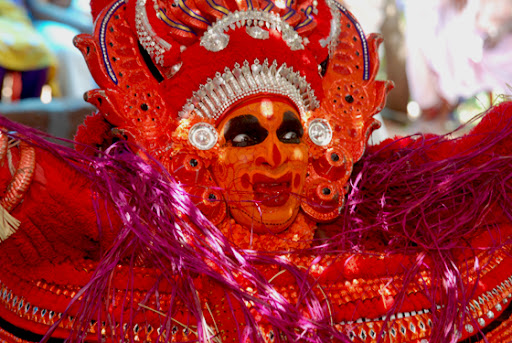
Theyyam and Thira are among the most important of the rural performance rituals. The specialty of Theyyam is that their very guise is taken as godly. Thira, however, is a human impersonation of god to appease the latter. Thira prioritizes ‘dance’, whereas Theyyam gives predominance to the specific make-up. Etymologically, ‘Theyyam’ has its origin in ‘Daivam’ (god). This ritual is extant in parts of Kasargod, Kannur, some areas in Kozhikode and Coorg in Karnataka. The art-form worships Gods and Goddesses, Nymphs and Fairies, Spirits, long-dead ancestors, snakes, valiant men, and the iconoclasts who fought for societal reforms. There are also a large number of Mappila (muslim) Theyyams and Amma Theyyam, that enunciate the principle of religious tolerance.
തെയ്യവുമായി ബന്ധപ്പെട്ടവ
Tender palm-leaves are crucial in the special get-up of a Theyyam. The facial make-up is also executed by indigenous products like tender leaves, natural black ink, turmeric powder and rice flour. Some Theyyams, in addition, use masks made of areca nut leaves, and twigs. Silk dress with creases, belled ropes, a shield to stuck to the forehead, an armor for the torso, a pair of white gloves, garland-like adornments, and tender-leaves around the waist, constitute the get-up of Theyyams, mostly.
The communities that perform Theyyam include Vannan, Malayan, Maavilan, Cheravan, Velan, Pulayan, Paravan, Chinkatthan and Pambathar. This performance is executed in ‘Kavu’(a holy grove), sheds made in fields and in Hindu housleholds. Those who stage it, call this ‘Kaliyaattam.’ Chenda, an especially loud drum, is the major accompaniment. There are other instruments too, like Maddalam (an oval drum), Thakil and Ilatthalam (different types of cymbal), and Kuzhal (the wind-instrument).